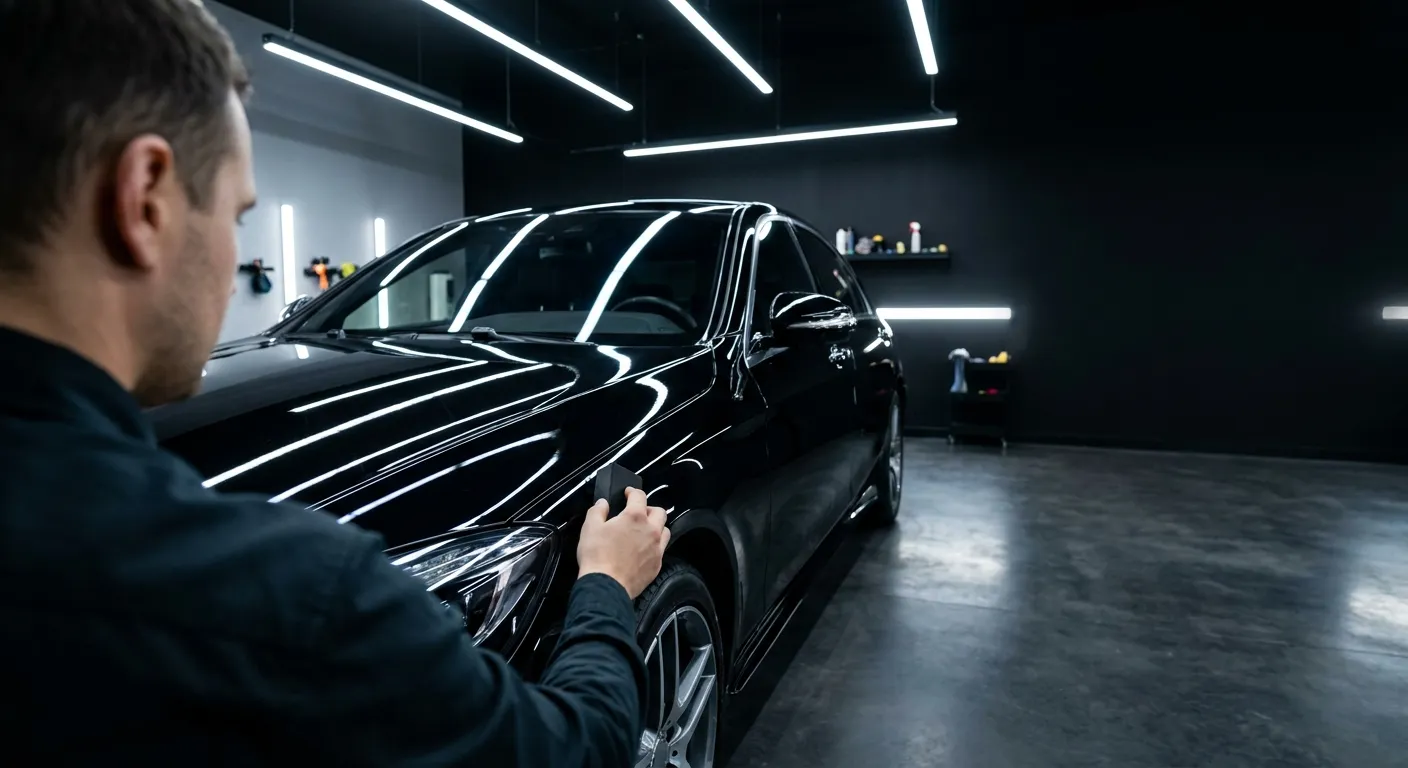
Auto Paint Protection Explained: Top Solutions for Lasting Shine
Protecting your car’s paint is about more than just keeping it shiny—it’s a smart way to preserve its value and extend its lifespan. Between harmful UV rays, dirt, rock chips, and countless other contaminants, your vehicle’s paint faces daily challenges. The good news? There are advanced auto paint protection solutions that not only keep your car looking great but also make maintenance easier.
From traditional wax and sealants to high-tech options like ceramic coatings and paint protection film (PPF), each method offers unique benefits depending on your goals, budget, and driving habits. Understanding these options ensures you choose the right kind of protection for your vehicle, whether it’s safeguarding a daily driver from harsh elements or maintaining the flawless finish of a luxury car.
In this guide, we’ll break down the top paint protection solutions, explain how they work, and help you decide which one is the perfect match for your needs. Let’s take a closer look at how you can deliver long-lasting shine and defense for your vehicle with the right paint protection.
What is Auto Paint Protection?
Why Protecting Your Car’s Paint Matters
Your car’s paint is more than just a shiny exterior—it’s a critical layer that guards against environmental factors. Over time, exposure to UV rays, debris, bird droppings, and road contaminants can eat away at your vehicle’s clear coat. This leads to dullness, fading, and eventually, rust if left unchecked.
Think of auto paint protection as your car’s armor. Preserving the clear coat maintains that sleek, polished look and helps retain your vehicle’s value. Whether you’re planning to sell your vehicle in the future or just want to keep it looking new, protecting your paint pays off over time.
How Auto Paint Protection Works
Auto paint protection works by forming a physical or chemical barrier on your car’s clear coat. From traditional solutions like wax to advanced technologies such as ceramic coatings for cars and paint protection film (PPF), these layers repel contaminants, guard against UV rays, and reduce surface wear.
Here are the primary types of automotive paint protection options and how they function:
- Wax: A natural or synthetic glossy layer that enhances visual appeal while offering limited protection.
- Paint sealant: A chemically engineered coating providing more durable protection against water, dirt, and mild abrasions.
- Ceramic coatings: Nano-ceramic particles form a semi-permanent bond for long-lasting durability and hydrophobic features.
- Paint protection film (PPF): A thicker, physical shield designed to absorb impacts and self-heal minor scratches.
Each of these options addresses unique needs, whether it’s ease of maintenance, protection from rock chips, or enhancing paint shine. You’ll want to weigh these options based on your car’s environment and your lifestyle.
Types of Auto Paint Protection
Wax
Wax is one of the oldest and most widely used solutions for car paint protection. Typically made from natural carnauba or synthetic materials, wax offers a glossy finish that enhances your car’s depth and shine. Applied by hand or machine, it creates a thin barrier that guards against minor scratches and UV damage.
However, wax has its limitations:
- Frequent reapplication: Wax wears off quickly due to rain, car washes, or prolonged sun exposure, typically lasting only a few weeks.
- Minimal durability: It doesn’t stand up well to harsher contaminants like road salt or bird droppings.
Wax is best suited for car owners seeking an immediate shine or short-term protection for casual, low-impact driving. However, for more durable solutions, advanced methods like ceramic coating or paint sealant offer longer-lasting results.
Paint Sealant
Paint sealant is a synthetic alternative to wax, engineered to provide better durability and protection. It chemically bonds to your vehicle’s paint, creating a tougher barrier that resists contaminants like grime, road tar, and UV rays. The key advantage of paint sealant is its longevity—it can last up to 6 months compared to wax.
Benefits of paint sealant include:
- Enhanced protection: Offers stronger resistance to pollutants and weather elements.
- Easier maintenance: Makes car washing simpler by preventing dirt from adhering to the paint.
Paint sealant appeals to those who need a low-maintenance, moderately priced auto paint protection option. It’s a middle ground between affordability and durability, though it can’t match the high-tech features of ceramic coatings or PPF.
Ceramic Coating for Cars
Ceramic coatings are the ultimate advancement in automotive paint protection. This nano-ceramic liquid is applied to your car’s surface, forming a hard, hydrophobic layer upon curing. Ceramic coatings offer unmatched durability, often lasting 2–5 years when professionally applied. They’re ideal for drivers who value both premium aesthetics and reduced maintenance.
Advantages of ceramic coatings:
- Hydrophobic properties: Water and dirt bead and roll off your car, keeping it cleaner for longer.
- Chemical and UV resistance: Protects against harsh chemicals, fading, and oxidation.
- Long-term solution: Requires less upkeep than traditional alternatives like wax.
Daily drivers and luxury vehicle owners alike can benefit from ceramic coatings. For example, you can explore professional-grade ceramic coatings at Ceramic Coatings.
Paint Protection Film (PPF)
Paint protection film, or PPF, is your vehicle’s best defense against physical damage. Made from polyurethane, PPF acts as a flexible yet robust shield against rock chips, scratches, and even minor dents. A key feature of PPF is its self-healing property—light scratches disappear when the film’s surface is warmed by the sun or heat guns.
Why choose PPF:
- Superior rock chip protection: Ideal for high-impact areas like bumpers and hoods.
- Long-term durability: Can last up to 10 years with proper maintenance.
- Customizability: Full-vehicle or partial installations are available, depending on your needs.
Applying PPF typically requires a flawless surface, so preparing your car with Paint Correction ensures optimal results.
How to Choose the Right Paint Protection for Your Needs
Factors to Consider
Selecting the right vehicle paint protection starts with evaluating your driving habits, environment, and car type. Here are some key considerations:
- Driving habits: Do you commute daily or park in high-traffic areas? Durable options like ceramic coatings or PPF handle frequent use better than wax.
- Environmental conditions: Vehicles exposed to extreme sunlight, salty air, or road debris benefit more from advanced protection.
- Vehicle age and purpose: New or luxury cars justify premium investments like PPF, while older cars might do well with paint sealant or wax.
By understanding your needs, you can make an informed decision about the most cost-effective and practical solution for your car.
Balancing Protection and Budget
Your budget will play a key role in choosing auto paint protection. While wax may be cost-effective short-term, it requires frequent reapplication. On the other hand:
- Paint sealant bridges the gap with affordable, medium-term protection.
- Ceramic coatings offer exceptional durability at a higher initial cost but save on long-term maintenance.
- PPF represents the highest upfront investment but provides unparalleled protection from physical damage.
Think of these choices in terms of total value. While PPF or ceramic coating might seem high upfront, they minimize future repainting or repair costs, which saves you significant money over time.
Who Benefits Most From Each Solution
Here are tailored recommendations based on driving patterns, environments, and budgets:
- Daily drivers: Ceramic coatings or PPF offer lasting, practical protection for cars exposed to everyday hazards.
- Car enthusiasts: Combining wax and ceramic coatings achieves a stunning showroom finish while protecting paintwork.
- Occasional drivers: Wax or paint sealant is a sensible choice for cars that are driven infrequently or stored indoors.
For all-round protection, many clients pair solutions to maximize their benefits—a topic we’ll explore next.
Combining Paint Protection Methods
Layering for Advanced Protection
Layering methods like applying ceramic coating over PPF combines the best of both worlds. For example:
- The PPF absorbs rock chip impacts in high-strike zones (front hood, bumpers).
- Ceramic coating complements this by adding hydrophobic and anti-UV properties for a sleek finish.
Layered solutions are particularly useful for larger vehicles like trucks or those frequently exposed to gravel roads, where damage and grime buildup are common. Combining techniques also extends the lifespan of each protection layer, ensuring a flawless appearance for years. You can explore Exterior Detailing for more advanced, layered protection packages.
Practical Examples and Benefits of Layering
Suppose you drive a luxury sports car in a busy city. PPF can mask vulnerable areas while ceramic coating ensures dirt and rain glide off the paint, reducing the need for frequent cleaning. Similarly, off-road adventurers find layering methods invaluable due to the tough conditions their vehicles endure.
By customizing the combination, you ensure the auto paint protection aligns perfectly with your car’s lifestyle. This versatility makes layering highly favored among owners who demand complete coverage.
(Continued in next message)
Protect Your Car’s Paint for the Long Haul
Ready to keep your car looking flawless while boosting its resale value? At Ceramic Touch Detailing, we offer top-tier paint protection solutions designed to shield your vehicle from damage and maintain its shine.
Our ceramic coating and paint protection film (PPF) packages deliver unmatched durability and aesthetic appeal:
- Long-lasting protection: Safeguard your car from UV rays, scratches, and rock chips for years.
- Hydrophobic coating: Water, dirt, and grime roll off effortlessly—less frequent cleaning.
- Custom installations: Tailored solutions to fit the areas your car needs most.
- Professional application: Flawless finish backed by industry-leading tech.
Availability is limited, so don’t wait! Book your paint protection consultation today and enjoy peace of mind on the road. Schedule your appointment now.
Conclusion
Auto paint protection is not just about maintaining a car’s glossy appearance—it’s about safeguarding your vehicle from the everyday wear and tear caused by the elements. From minor scratches to significant paint damage, protection methods such as wax, paint sealant, ceramic coatings, and paint protection film (PPF) offer tailored solutions that help preserve your vehicle’s finish and value over time.
Each type of paint protection serves a unique purpose. Wax provides a beautiful shine and short-term coverage, perfect for casual drivers or those looking for immediate results. Paint sealants elevate durability and are ideal for low-maintenance protection that lasts longer than wax. For advanced and longer-lasting solutions, ceramic coatings deliver unmatched hydrophobic properties and chemical resistance. Meanwhile, PPF stands as the most protective option, offering exceptional physical defense against chips, scratches, and impacts.
Choosing the right option depends on factors like your driving habits, the environments your car is exposed to, and your budget. Daily commuters, for example, may benefit most from the durability of ceramic coatings or PPF, while occasional drivers may find wax or paint sealant sufficient. For those wanting complete coverage, combining systems—like layering ceramic coating on PPF—provides the best of both worlds by combining impact resistance and easy maintenance.
Investing in paint protection isn’t just for aesthetic reasons; it’s also a practical decision that can save you money in the long run by reducing the need for paint repairs, touch-ups, or expensive resprays. New or luxury car owners especially benefit from premium protection systems, as these enhance both appearance and resale value. Additionally, pairing these protections with Exterior Detailing ensures your car maintains a showroom-quality finish.
For vehicle owners ready to prioritize protection, Ceramic Touch Detailing offers professional services tailored to your needs. Whether you’re considering Ceramic Coatings, Paint Correction, or other specialized detailing services, choosing professional care ensures your car gets the best quality results.
Ultimately, protecting your car’s paint is about more than just looks—it’s about ensuring long-term durability, value, and pride in ownership. With the right paint protection solution, your vehicle can withstand environmental challenges, maintain its sleek appearance, and be easier to clean and maintain. Don’t wait for wear and tear to take its toll on your car’s surface. Explore a tailored solution today, and enjoy the confidence of driving a protected vehicle every day.
Preserving your car’s paint can protect its value, keep it looking great, and make maintenance easier over time. With so many options on the market, it’s important to choose the auto paint protection solution that fits your needs, budget, and driving habits. Here’s what you need to know before making a decision.
- Understand how driving habits impact protection needs: Daily drivers face more exposure to UV rays, dirt, and rock chips, making durable solutions like ceramic coating or paint protection film (PPF) ideal. Weekend drivers may prefer simpler methods like wax or sealant for occasional use.
- Choose the right solution for your goals: Wax provides a temporary shine, sealants offer longer duration protection, ceramic coating creates a glossy hydrophobic barrier, and PPF offers unmatched defense against scratches and chips.
- Combine methods for advanced protection: Layering options like applying ceramic coating over PPF can deliver both physical and chemical protection, making this a popular choice for luxury vehicles or enthusiasts.
- Know the value of proper surface preparation: All protection methods require clean, defect-free paint for maximum effectiveness. This often includes paint correction or polishing to remove scratches and imperfections.
- Understand the maintenance commitment: Wax and sealants require regular reapplication, while ceramic coating and PPF call for less upkeep but still need gentle cleaning methods to preserve their benefits.
- Think long-term for your budget: While PPF and ceramic coating may carry higher upfront costs, they offer better durability and can reduce the need for frequent touch-ups—helpful for those planning to keep their vehicle for years.
- Consider resale benefits: Protecting your car’s paint can preserve its appearance and boost its resale value, making it a worthwhile investment, especially for new or high-end vehicles.
These key takeaways provide valuable guidance for choosing the best paint protection for your vehicle. Next, we’ll dive deeper into the details of each option to help you make an informed decision that fits your needs.
How much does it cost to apply paint protection film on a new car?
The cost of applying paint protection film on a new car depends on factors like the size of the vehicle, the type of film chosen, and the specific areas to be covered. For a precise quote, book a consultation with Ceramic Touch Detailing.
What are the benefits of combining paint protection film with ceramic coating?
Combining paint protection film with ceramic coating offers enhanced protection by providing a physical barrier against chips and scratches while adding a hydrophobic layer that makes cleaning easier. This combination is ideal for long-lasting protection.
What factors should I consider when choosing an auto detailing service for paint protection?
When choosing an auto detailing service, consider their reputation, experience, the quality of products they use, and customer reviews. Ceramic Touch Detailing offers professional services with high-quality materials. Schedule a consultation to learn more.
Are there different levels of quality for paint protection film, and how do they impact cost?
Yes, different levels of quality exist for paint protection film. Higher-quality films offer better durability and self-healing properties, impacting cost. It’s important to choose a film that suits your protection needs. Contact Ceramic Touch Detailing to discuss options.
Is investing in professional paint correction worth it before applying a protective layer?
Investing in professional paint correction is beneficial before applying a protective layer to ensure a flawless finish. It removes imperfections like scratches and swirls, allowing the protection layer to bond better. Contact Ceramic Touch Detailing to enhance your vehicle’s appearance.
