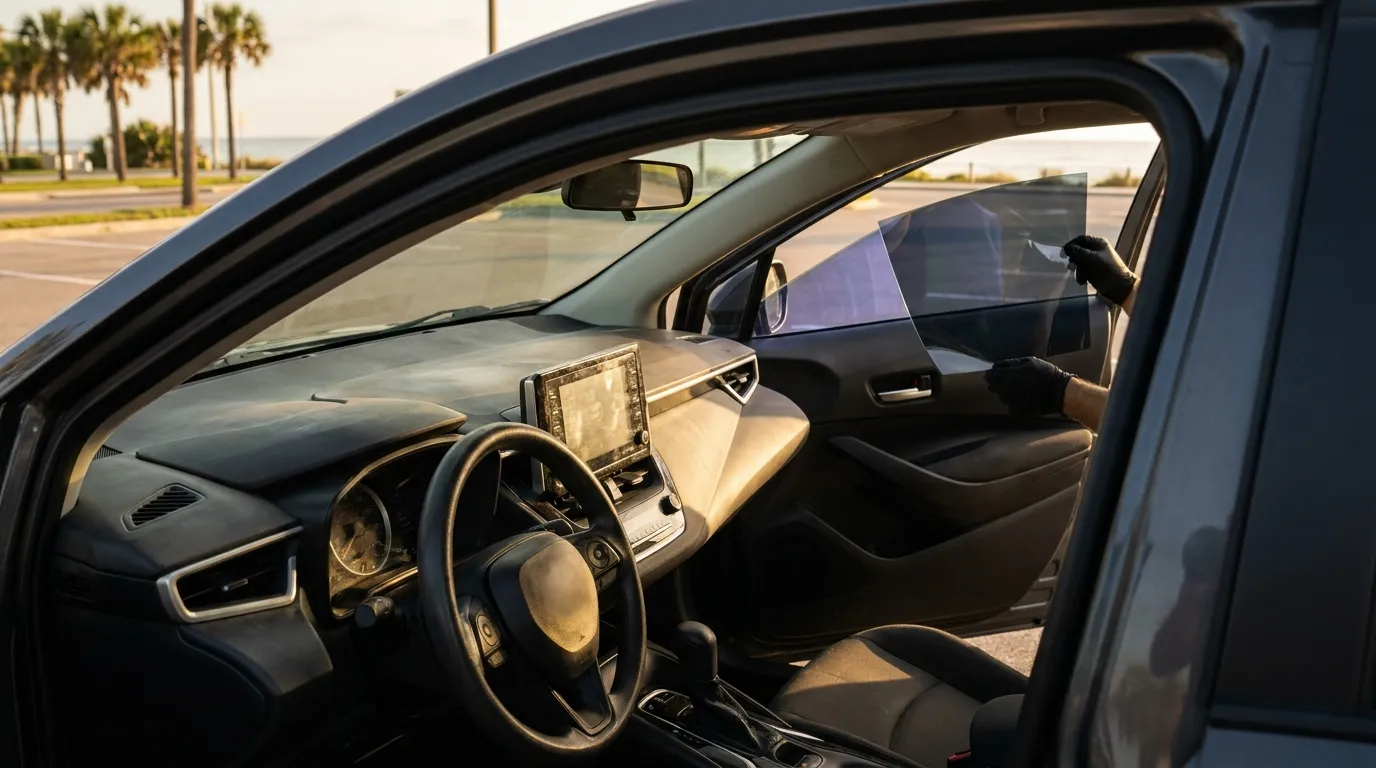
Car Window Tinting Daytona Beach: Ceramic Tint Protects Interiors
Florida sun can damage your car’s interior long before you notice the first crack or faded spot. In Daytona Beach and across Volusia County, intense UV rays and trapped cabin heat can dry out leather seats, dull dashboard trim, and put extra stress on infotainment screens. What starts as a small change in color or texture can eventually make an otherwise well-kept vehicle look older than it is.
That is why car window tinting Daytona Beach drivers choose should do more than add privacy or make the cabin feel cooler. High-quality ceramic window tint blocks harmful UV exposure while rejecting infrared heat, helping protect the surfaces that receive the most direct sunlight. Leather can stay softer and resist the dry, brittle feel that leads to cracking. Dashboards, vinyl trim, and plastic panels can better hold their color instead of fading under daily coastal sun. Reduced glare and heat may also create a more comfortable view of your vehicle’s screens while you drive.
Ceramic tint stands apart from standard window film because it is designed for stronger heat rejection and UV protection without relying on a darker appearance alone. That makes it a smart choice for drivers who want to preserve their interior while maintaining clear visibility and a clean, polished look. It can also support your vehicle’s resale value, since buyers often notice worn seats, faded trim, and damaged screens right away.
Window film works best as part of a complete vehicle care routine. Pairing professional tint with Interior Detailing helps keep leather, plastics, and other cabin surfaces clean and conditioned, while Ceramic Coatings can help protect exterior paint from the same Florida conditions. Professional installation also matters for a smooth finish, lasting performance, and compliance with Florida window tint laws.
Let’s look at how ceramic tint protects your interior, why it matters in Volusia County, and what to consider before scheduling a professional installation with Ceramic Touch Detailing.
How Florida Sun Damages Your Car’s Interior
Why Daytona Beach heat is so tough on vehicles
Daytona Beach drivers deal with more than bright skies. Coastal Florida sun brings strong ultraviolet rays, intense infrared heat, and long periods of direct exposure in parking lots, driveways, job sites, and beachside areas. Even when the outside temperature feels manageable, sunlight passing through vehicle glass can make the cabin much hotter.
This repeated heat cycle affects nearly every material inside a vehicle. Leather can dry out, vinyl can become brittle, plastics can lose color, and adhesives behind trim pieces can weaken. Volusia County commuters may see this damage build slowly over months or years, especially when a car is parked outdoors every day.
Common interior problems caused by sun exposure
Sun damage is not always obvious at first. A dashboard may look slightly lighter near the windshield, leather may feel less soft, or a center console may become tacky on hot afternoons. Over time, these small changes can become difficult and costly to correct.
Common problems include:
- Faded dashboards, door panels, and seat upholstery
- Dry, stiff, or cracked leather surfaces
- Discolored plastic trim and peeling interior coatings
- Hot seat belts, steering wheels, and seat surfaces
- Screen glare that makes navigation and camera displays harder to see
- Excess stress on electronics exposed to repeated high cabin temperatures
Car window tinting Daytona Beach drivers choose should do more than add privacy. The right film acts as a layer of preventive interior care, helping reduce the sunlight and heat that cause these issues.
What Ceramic Window Tint Does
How ceramic window film works
Ceramic window film uses non-metallic ceramic particles within the tint material. These particles are designed to manage solar energy without creating the signal interference sometimes associated with metallic films. A quality UV protection window film helps limit ultraviolet exposure through side and rear glass while also rejecting a portion of infrared heat.
UV light is a major cause of fading and material breakdown. Infrared energy is a major contributor to the heat you feel inside the vehicle. Ceramic tint addresses both concerns, which is why it is valuable for owners focused on preserving leather, trim, and electronics.
Why ceramic tint is different from standard tint
When comparing ceramic tint vs regular tint for interior protection, appearance is only part of the decision. Basic dyed film can darken windows and reduce glare, but it may not offer the same level of heat management, clarity, or long-term performance as ceramic film.
Ceramic tint is often preferred because it can provide strong solar control while maintaining a clear view outward. It does not need to be extremely dark to be useful. This matters for drivers who want interior protection without making nighttime driving feel uncomfortable or choosing a shade that does not fit their needs.
What ceramic tint does for cabin comfort
Cabin heat reduction makes a difference beyond the first few minutes after getting into a parked car. Lowering the harshness of incoming solar energy can help seats, dashboards, and touchpoints spend less time at extreme temperatures.
A cooler-feeling cabin also helps daily use. Families can buckle children into less overheated seats, commuters can hold the steering wheel more comfortably, and passengers can use the center console without touching scorching trim. That same reduction in heat exposure supports the protection of interior materials over time.
Protecting Leather Seats From Cracking and Dry-Out
How Florida sun breaks down leather interiors
Leather is durable, but it still needs protection. Heat and sunlight can pull moisture from leather and the protective finish on top of it. As the material dries, it may feel firmer and look duller. With continued exposure, stressed areas such as seat bolsters, cushions, armrests, and headrests are more likely to show creases, wear, and cracking.
This is especially noticeable in vehicles with black, dark brown, or red leather interiors. Those surfaces absorb more heat in an uncovered Daytona Beach parking lot. A sunshade helps with the windshield area, but side windows still allow sunlight to reach seat edges, door inserts, and rear seating.
How ceramic tint helps preserve leather
Does ceramic window tint prevent leather seats from cracking? Tint is not a replacement for cleaning and conditioning, and it cannot reverse existing cracks. However, it can reduce the UV and heat exposure that speeds up drying and fading. That makes ceramic film a practical part of leather interior protection.
By reducing harsh light entering through the glass, ceramic tint helps leather stay softer-looking and more even in color. It is particularly helpful for vehicles that sit outside during work hours, school pickup, beach trips, or long shifts. Protecting the leather early is easier than trying to repair it once the surface has become dry and split.
Why leather protection matters for daily drivers
Interior condition affects how a vehicle feels every day. A commuter may spend an hour or more behind the wheel each day, while a family SUV may handle spills, car seats, backpacks, and constant passenger use. When leather is already dried out by the sun, normal use can make wear stand out sooner.
For truck owners and work vehicles, protecting the driver’s seat is also important. The seat bolster is repeatedly rubbed when getting in and out, so sun-weakened leather can wear faster in that spot. Ceramic tint supports the surface, while routine care keeps it clean and conditioned. Together, they help preserve comfort and vehicle resale value protection.
Preventing Dashboard Fading and Trim Damage
Why dashboards fade in coastal sunlight
The dashboard receives some of the strongest direct sunlight in a vehicle. It sits below the windshield, where heat can build quickly during Florida afternoons. Over time, ultraviolet light and high surface temperatures can cause vinyl and plastic to fade, lose flexibility, or develop an uneven appearance.
Does window tinting prevent dashboard cracking in Florida heat? It can help reduce the conditions that contribute to cracking, especially when side-window tint is paired with windshield shade parking habits. No film can stop all aging, but reducing heat and UV exposure gives the dashboard a better chance of keeping its color and texture.
How ceramic tint helps protect dashboard surfaces
Ceramic window tint Daytona Beach vehicle owners select can reduce the intensity of sunlight entering from the side and rear windows. This is useful because sunlight moves across the cabin throughout the day. The driver’s side dash, passenger-side trim, and upper door panels may all receive direct exposure depending on where the vehicle is parked.
Dashboard fade prevention is a key benefit of ceramic tint because fading makes an otherwise clean vehicle look older. A dashboard with consistent color and fewer dry-looking areas improves the entire cabin’s appearance. For newer cars, this is a simple way to protect that fresh interior look from day one.
Other interior surfaces that benefit from tint
Ceramic tint protects more than seats and dashboards. Many interior materials receive regular sunlight through side windows, including:
- Door panels and armrests
- Center consoles and cupholder surrounds
- Wood-look, piano-black, and brushed trim accents
- Rear seat upholstery and child-seat areas
- Plastic pillar trim and rear cargo surfaces
These surfaces can fade at different rates, creating a patchy interior appearance. By reducing solar exposure across the cabin, tint helps the interior age more evenly. That broader protection leads naturally to another sensitive area: the screens and electronics drivers rely on every day.
Helping Infotainment Screens and Interior Electronics
Why screens are sensitive to heat and glare
Modern vehicles place more functions on infotainment displays. Navigation, backup cameras, climate settings, phone controls, and vehicle alerts may all be on one screen. Bright sunlight can create glare that makes these controls hard to read, particularly on open Daytona Beach roads or when driving near reflective sand and water.
Heat is also not ideal for electronics. While automotive systems are built for vehicle use, repeated exposure to a very hot cabin adds stress over time. The same heat that makes a steering wheel painful to touch can warm screens, display housings, camera components, and surrounding trim.
How ceramic tint supports screen protection
Ceramic tint does not directly coat or repair an infotainment screen. Instead, it reduces harsh sunlight entering through the windows and helps moderate the heat load inside the cabin. This may help limit repeated exposure to intense glare and high temperatures around sensitive electronics.
Drivers often notice the everyday benefit first: screens are easier to view because less direct side light enters the cabin. A clearer display means less squinting at maps, camera images, and vehicle messages. It is a comfort upgrade, but it is also part of a smarter interior-preservation plan.
Better driving comfort with less glare
Reduced glare can make driving feel less tiring. This matters during early morning commutes, afternoon school runs, and sunset drives along bright Daytona Beach roads. Glare can reflect off glossy trim, screen glass, mirrors, and even pale dashboard surfaces.
The goal is not to make the cabin dark. It is to create more controlled light inside the vehicle while maintaining appropriate visibility. That balance is one reason ceramic film is worth considering over darker, lower-performing alternatives.
Ceramic Tint vs Regular Tint for Interior Protection
Heat rejection and UV blocking compared
Both basic window film and ceramic film can offer some degree of UV blocking and glare reduction. The difference is that ceramic film is built to provide stronger infrared heat rejection and clearer performance across available tint shades. For interior protection, that ability to manage solar heat matters as much as visible darkness.
The best window tint for UV protection in Daytona Beach is one that fits the vehicle, the owner’s driving habits, and Florida legal requirements. A professional installer can explain film options and help owners choose a practical shade and performance level instead of choosing film based on appearance alone.
Why darker tint is not always the best answer
A very dark film can look appealing, but darkness alone does not tell you how well a film rejects heat or helps protect the cabin. Some lighter ceramic films can still provide useful heat control and UV protection while keeping nighttime visibility more comfortable.
This is important for drivers who travel before sunrise, after dark, or in heavy rain. A quality ceramic tint installation Daytona Beach FL service should focus on legal, useful performance, not simply the darkest possible result.
Which drivers should choose ceramic tint
Ceramic tint is a strong fit for many types of owners:
- Daily drivers parked outdoors at work or school
- Families trying to protect rear seats and improve passenger comfort
- New car owners who want to preserve factory-fresh trim
- Luxury and performance vehicle owners protecting premium leather and displays
- Truck owners whose cabins are exposed at job sites
- Anyone planning to keep or resell their vehicle in the future
For these owners, tint is best viewed as preventive maintenance for the interior, not just a cosmetic add-on.
How Ceramic Tint Helps Preserve Vehicle Resale Value
Why buyers notice the interior first
Potential buyers often form an opinion as soon as they open the door. They notice a cracked dashboard, faded seats, worn steering wheel surfaces, sticky trim, and hazy screens quickly. Even if the engine runs well, visible interior wear can make the vehicle feel neglected.
Interior damage also raises questions. Buyers may wonder whether the vehicle spent years in direct sun or whether other maintenance was ignored. Keeping cabin surfaces in better shape helps create a stronger first impression during a trade-in or private sale.
How tint supports long-term value
Ceramic tint cannot guarantee a sale price, but it supports resale value protection by helping reduce visible sun damage. A well-kept interior can look newer, photograph better, and give future buyers more confidence in the vehicle’s care history.
This is especially valuable when tint is installed early. Once leather has cracked or dashboard color has changed, correcting it may require repairs or replacement. Preventing some of that wear is usually simpler than restoring damaged materials later.
Why this matters in Florida markets
Florida buyers understand sun exposure. In Daytona Beach and nearby Volusia County communities, many used vehicles have spent years outdoors. A cabin that still has even-colored trim, healthy-looking leather, and clear screens can stand apart from similar models with obvious heat damage.
Exterior condition matters too, but the interior is where a buyer sits, touches controls, and judges comfort. Protecting it with ceramic tint helps the vehicle retain a cared-for appearance from the inside out.
Florida Window Tint Laws and Why Professional Installation Matters
Understanding legal tint limits in Volusia County
Florida window tint laws apply in Volusia County, so film selection should always stay within legal visible light transmission, or VLT, limits. Rules can differ based on window location and vehicle type. For many passenger vehicles, Florida generally requires at least 28% VLT on front side windows and at least 15% VLT on rear side and rear windows, while multipurpose vehicles may have different rear-window limits.
Windshield tint is also restricted, usually to the area above the AS-1 line or the top portion allowed by law. Because regulations and exemptions can change, it is wise to confirm the current rules with a knowledgeable local installer before choosing a shade.
Why professional ceramic tint installation is worth it
Film quality matters, but installation quality matters just as much. Poorly installed tint can bubble, lift at edges, trap contamination, or look uneven around window seals. Those problems reduce the appearance and can shorten the useful life of the film.
Professional installation includes proper glass preparation, precise cutting, clean application, and guidance about the curing period. This creates a finished look that belongs on a daily driver, family SUV, luxury car, or work truck.
How to choose a trusted installer
Look for an installer that can explain film options clearly, respects legal limits, and understands the demands of window tinting Volusia County drivers need. The shop should focus on the vehicle’s use, not just sell a dark shade.
A trusted provider also understands that the goal is long-term interior care. The right recommendation should consider leather, trim, screen visibility, driving hours, parking conditions, and the owner’s plans for the vehicle.
Pairing Tint With a Full Vehicle Care Plan
Why tint works best with interior detailing
Tint reduces future exposure, but it does not remove existing dirt, oils, sunscreen residue, or stains. Interior Detailing helps clean the surfaces ceramic tint is protecting, including leather, plastics, carpets, door panels, and touchpoints.
For example, a driver with slightly dry leather can benefit from cleaning and proper conditioning before relying on tint to reduce further stress. This approach gives the cabin a cleaner starting point and supports a more consistent appearance over time.
How exterior protection supports the whole vehicle
Florida sun affects paint, trim, headlights, and exterior plastics as well as the cabin. Ceramic Coatings can support exterior protection, while Exterior-detailing helps maintain a clean, presentable finish.
For vehicles with dull paint or visible defects, Paint Correction may help improve paint appearance before protection is applied. A complete care plan recognizes that a vehicle is exposed to the same Florida conditions inside and outside.
Maintenance habits that help tint and interior last longer
Simple habits can extend the benefits of professional tint and detailing:
- Park in shade or use a windshield sunshade when possible
- Clean interior surfaces with products made for automotive materials
- Condition leather as needed with an appropriate product
- Avoid harsh cleaners on tinted glass and interior screens
- Wipe spills and sunscreen residue from seats and trim promptly
Monthly-Packages can help drivers stay on top of routine vehicle care rather than waiting until dirt, stains, and sun damage become more noticeable.
When to Schedule Ceramic Tint Installation in Daytona Beach
Signs your car may need more interior protection
Hot seats, frequent glare, fading trim, and a dashboard that looks dry are signs that your vehicle is receiving more sun exposure than it should. You may also notice leather losing its soft feel, rear seats becoming very hot, or the infotainment screen becoming difficult to read at certain times of day.
Do not wait for cracking or major discoloration to begin. Ceramic tint is most useful as a proactive layer of protection, before the Florida sun causes lasting visible damage.
Best time to install window tint
The best time for car window tinting Daytona Beach owners can schedule is often soon after buying a vehicle. New cars have fresh leather, clean trim, and clear displays that are easier to preserve than restore. Recently detailed vehicles are also great candidates because the interior has already been cleaned and refreshed.
That said, an older vehicle can still benefit. Whether you drive a sun-exposed commuter car, a family SUV, or a high-value vehicle, reducing ongoing UV and heat exposure can help slow additional wear.
What to expect from the booking process
To get started, drivers can book a service appointment and discuss the best film option for their vehicle and goals. Ceramic Touch Detailing can help owners build a protection plan focused on comfort, appearance, and interior preservation.
Explore ceramic window tint Daytona Beach services to choose a professional solution that helps protect the leather, dashboard, trim, and technology you rely on every time you drive.
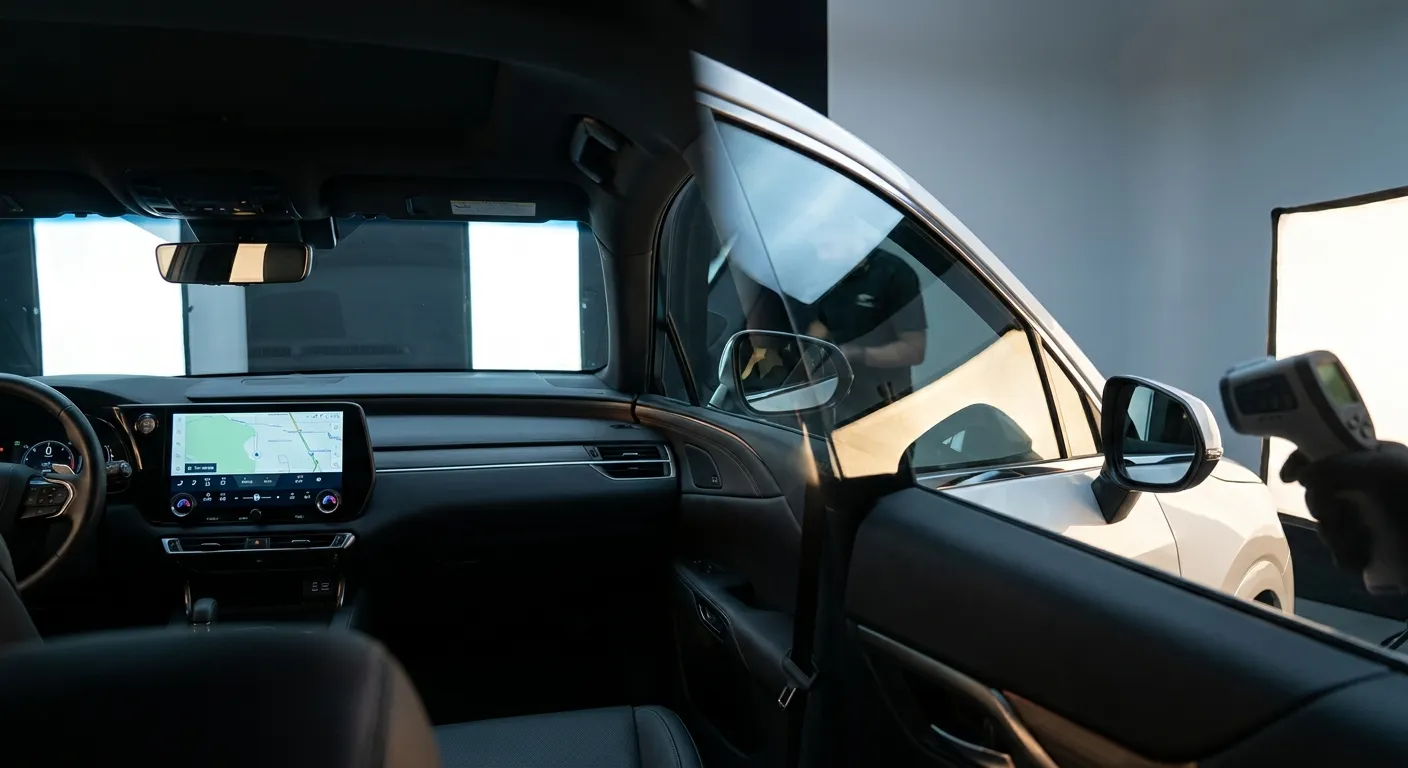
Final Thoughts on Protecting Your Interior From Florida Sun
Florida heat does more than make your car uncomfortable. Over time, it can wear down the parts of your vehicle you use every day. Leather can dry out, dashboards can fade, plastic trim can become brittle, and screens can become harder to see. In a place like Daytona Beach, where cars often sit in direct sun for long periods, that damage can build slowly and become expensive to fix later.
That is why ceramic window tint is such a smart choice for local drivers. It is not just about making a vehicle look better or feel cooler for a few minutes after startup. It is about reducing the amount of UV light and heat that enters the cabin in the first place. By lowering that exposure, ceramic tint helps protect the interior materials that are most likely to show wear, including leather seats, door panels, trim pieces, and infotainment screens.
One of the biggest takeaways is that prevention is easier than repair. Once leather starts cracking or a dashboard begins to fade, the only real fix may be costly restoration or replacement. Ceramic tint cannot undo damage that has already happened, but it can help slow down the conditions that cause it. For drivers who park outside at work, at school, near the beach, or at home, that protection can make a real difference over time.
It also helps to remember that tint is part of a bigger care plan. A clean interior lasts longer than a dirty one, and regular detailing helps support the same materials that tint is designed to protect. Services like Interior Detailing can remove buildup, condition surfaces, and give your cabin a strong starting point. For owners who want to protect the full vehicle, Ceramic Coatings, Exterior-detailing, and Paint Correction can help keep the outside just as well cared for as the inside.
If you are looking at ceramic tint, the next step is simple. Choose a film that fits your driving habits, your vehicle, and Florida tint laws. Darker is not always better. A quality ceramic film can offer strong heat rejection and UV protection while still keeping good visibility and a comfortable driving experience. That matters for daily drivers, families, truck owners, and anyone who wants lasting value from their vehicle.
For drivers in Daytona Beach and Volusia County, this is more than a comfort upgrade. It is a practical way to help preserve resale value, keep the cabin looking newer, and make every drive more pleasant. If your vehicle already shows signs of sun stress, now is a good time to act before the damage gets worse.
To explore your options, visit Ceramic Touch Detailing, check out ceramic window tint Daytona Beach, or book a service appointment today. Protecting your interior now can help your vehicle stay cooler, cleaner, and better looking for years to come.
For drivers in Daytona Beach and Volusia County, ceramic window tint is about more than just a cooler cabin or added privacy. It can also help protect the parts of your vehicle’s interior that take the most damage from Florida’s strong sun, including leather seats, dashboard trim, and infotainment screens.
- Block the sun before it damages your interior: Ceramic tint helps reduce UV exposure, which can slow fading, cracking, and dry-out damage on leather, vinyl, and plastic surfaces.
- Protect leather seats from cracking: Florida heat and sunlight can dry out leather over time, and ceramic window film adds a layer of defense that helps keep seats looking softer and newer.
- Keep your dashboard from fading: Direct sun can dull dashboard trim and cause it to fade or weaken, especially in coastal climates like Daytona Beach.
- Help infotainment screens last longer: Ceramic tint can reduce harsh sun exposure inside the cabin, which may help protect screens and other sensitive interior electronics from heat stress and glare.
- Choose ceramic tint for more than comfort: Compared with standard tint, ceramic window film offers stronger UV protection and infrared heat rejection, making it a better choice for interior care.
- Support better resale value: A cleaner, better-preserved interior can make a vehicle more appealing later, since buyers often notice seats, trim, and screen condition right away.
- Know that tint works best as part of a full care plan: Ceramic tint pairs well with interior detailing and other paint and surface protection services to help keep the whole vehicle in better shape.
- Use a professional for the best fit: Proper ceramic tint installation matters for appearance, durability, and staying within Florida window tint laws in Volusia County.
If you want a smarter way to protect your vehicle from Daytona Beach sun damage, ceramic tint is worth a closer look. Next, we’ll break down how it works, what it protects, and why it matters for long-term vehicle care.
Protect Your Interior Before the Florida Sun Takes Its Toll
Your vehicle faces Daytona Beach heat every day. Ceramic window tint is a smart way to reduce the UV rays, glare, and heat that can fade trim, dry out leather, and make every drive less comfortable. The sooner you add protection, the more of your interior’s original look you can preserve.
A professional ceramic tint installation can help you:
- Reduce harsh heat in seats, steering wheels, and cabin surfaces
- Help protect leather from drying, fading, and early cracking
- Cut glare on navigation screens, cameras, and glossy trim
- Keep dashboards, door panels, and rear seats looking more even over time
- Support a cleaner, better-kept interior for future resale
Do not wait until fading and cracking become costly repairs. Schedule your ceramic window tint appointment today and give your vehicle the protection it needs.
Is ceramic tint worth it for a daily driver in Florida heat?
Yes, ceramic tint is a strong choice for a daily driver in Florida because it helps reduce cabin heat, glare, and UV exposure every time you park or drive. That added protection can help slow fading, drying, and wear on your interior surfaces. If you want a practical upgrade for comfort and long term interior care, book a ceramic tint appointment with Ceramic Touch Detailing.
Does ceramic window tint really help protect leather seats from cracking?
Ceramic tint can help protect leather by reducing the sunlight and heat that dry it out over time. It will not repair existing damage, but it can slow the conditions that lead to fading, stiffness, and cracking. For the best results, pair tint with regular interior care and schedule service with Ceramic Touch Detailing.
Can ceramic tint help prevent dashboard fading in Florida sun?
Yes, ceramic tint helps limit the UV and heat exposure that cause dashboards, trim, and plastic surfaces to fade and age faster. It is especially useful in Daytona Beach, where vehicles often sit in strong sun for long periods. Professional installation from Ceramic Touch Detailing can help you protect the cabin before damage becomes costly.
What is the difference between ceramic tint and regular window tint for interior protection?
Ceramic tint is designed for stronger heat rejection and UV protection than basic dyed film, which makes it better suited for preserving leather, trim, and screens. Regular tint can darken glass, but ceramic film is usually the better choice when interior protection and comfort are the goal. If you want help choosing the right film for your vehicle, Ceramic Touch Detailing can walk you through the options.
How do I choose a reputable car window tinting shop in Daytona Beach?
Look for a shop that uses quality film, understands Florida window tint laws, explains the installation process clearly, and has experience with local driving conditions. Professional fit and clean application matter as much as the film itself, especially if you want long term performance and a smooth finish. Ceramic Touch Detailing offers ceramic tint installation with a focus on protection, appearance, and compliance, so booking a consultation is a smart next step.
