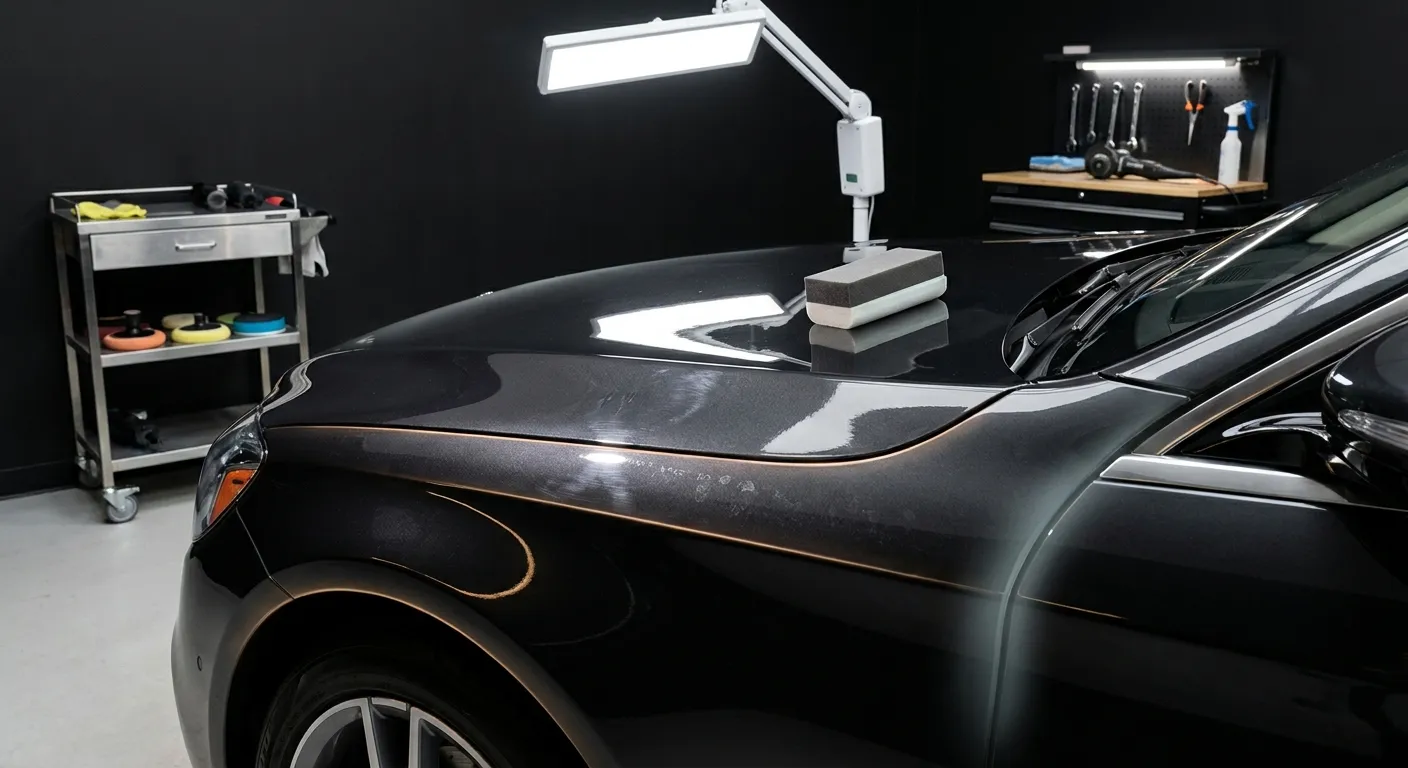
Ceramic Protection for Car Paint: What to Expect & Why It Helps
A ceramic coating will not make your paint invincible, but it can make keeping your car clean and glossy much less work. Ceramic protection for car paint adds a durable layer over the clear coat that helps repel water, road film, dirt, and other common messes that dull your finish. For daily drivers that sit in the sun, face rain, or collect grime during commutes, that added protection can be a practical upgrade.
The biggest benefit is not that your vehicle will never get dirty. It is that dirt and water have a harder time sticking to the surface. A quality ceramic coating creates a smooth, hydrophobic finish, so routine washes are often faster and the paint stays cleaner between visits. It can also improve gloss, support UV paint protection, and add resistance against certain chemicals that may harm unprotected clear coat over time.
Still, it is important to know what ceramic coating cannot do. It will not stop rock chips, prevent deep scratches, or replace paint protection film in high-impact areas. It also should not be applied over swirl marks, oxidation, or other paint defects without proper preparation. Services such as Paint Correction and Exterior detailing can help create the clean, smooth surface needed for the best result.
Compared with wax, ceramic car paint protection generally lasts longer and provides stronger protection with less frequent reapplication. But it still needs regular washing and smart vehicle care to keep performing well. The quality of the prep, the coating, and the application all affect how long the finish lasts and how well it looks.
That is why a professional Ceramic Coatings service can make a real difference. Proper washing, decontamination, paint correction, and even coverage help ensure the coating bonds correctly and delivers the gloss and easy maintenance you expect. Let’s look at how ceramic protection works, what it protects against, how long it can last, and whether it is the right fit for your vehicle.
What Ceramic Protection for Car Paint Actually Is
How ceramic coating bonds to the clear coat
Ceramic protection for car paint is a liquid coating applied over a vehicle’s clear coat. Once it cures, it forms a thin protective layer that bonds to the painted surface. It does not replace the clear coat or add a thick shell, but it improves the surface that faces sun, rain, dirt, and daily road use.
Most professional coatings use silicon dioxide, often called an SiO2 coating. This material helps create a slick, durable surface that does not let grime cling as easily. The smoother surface also changes how water behaves on the paint, which is one reason coated vehicles are easier to wash.
The coating needs clean, properly prepared paint to bond well. When applied correctly, ceramic protection becomes a practical layer of exterior paint protection for owners who want their vehicle to stay cleaner and look better between washes.
What ceramic coating is designed to do
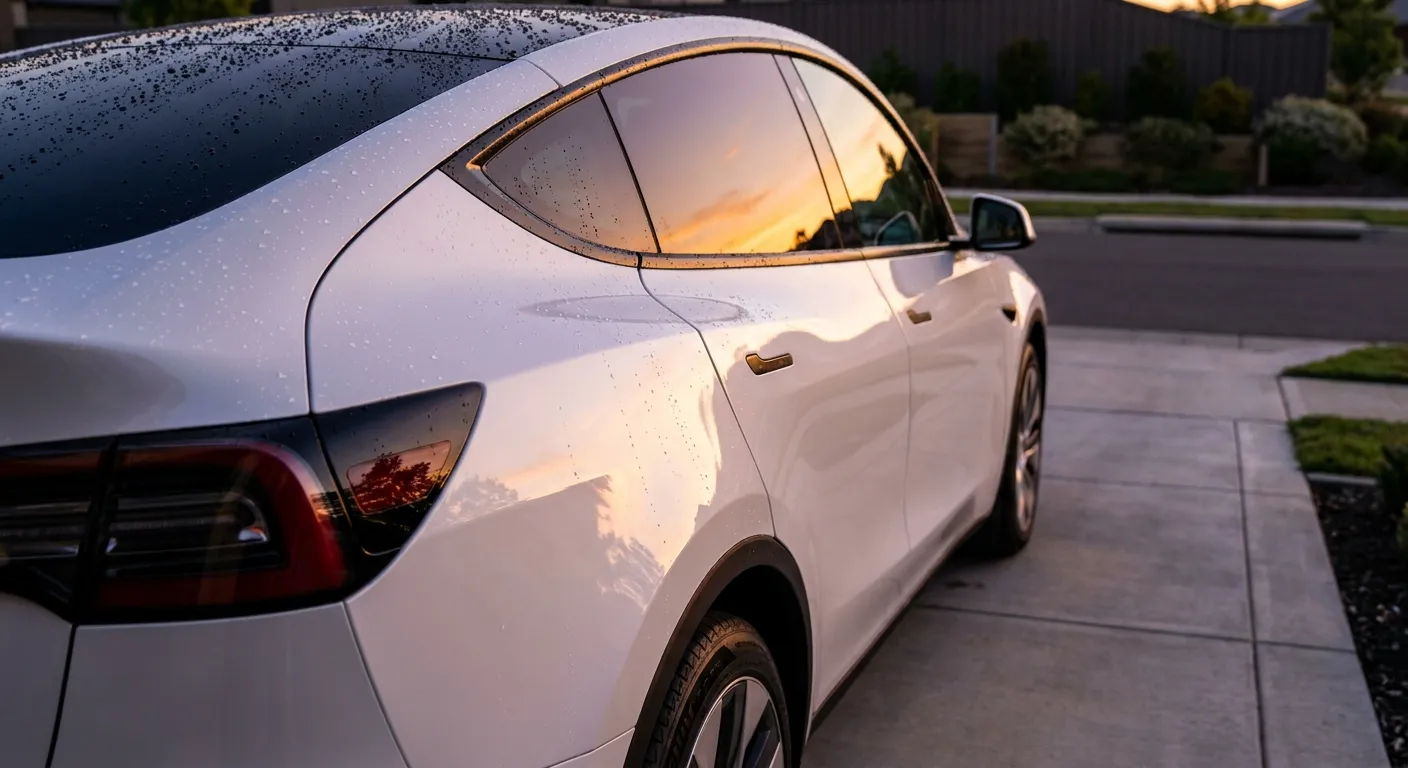
Ceramic coating is designed to make routine vehicle care easier. It helps repel water, reduce grime buildup, and limit how strongly common contaminants stick to the paint. Rainwater may bead up and roll away more easily, while dust, mud, and road film are often simpler to rinse off during a wash.
It also supports clear coat protection from daily exposure. For example, a commuter who parks outside may notice that pollen and dirty rain are less frustrating to remove. A family SUV that sees school drop-offs, grocery runs, and weekend trips can stay presentable with less scrubbing.
A coating improves protection, but it does not remove the need for washing. Think of it as a tool that makes good maintenance easier, not a replacement for maintenance itself. That practical benefit becomes clearer when ceramic coating is compared with wax and paint sealants.
How it differs from paint sealant and wax
Traditional wax is known for quick shine and a warm, glossy look. It is often easy to apply, but it generally wears away sooner because it sits on the paint as a softer protective layer. Paint sealant usually lasts longer than wax and can offer reliable water repellency, but it still does not bond and cure like a ceramic coating.
Ceramic coating for cars is usually more durable because it forms a stronger bond with the clear coat. It can provide longer-lasting water behavior, chemical resistance, and easier cleaning than a typical wax application.
That does not mean wax is useless. Wax can be a good short-term choice for owners who enjoy frequent detailing or need an affordable boost before a special event. For drivers seeking lower-effort exterior paint protection over time, ceramic coating is often the more suitable option.
Why Drivers Choose Ceramic Car Paint Protection
Easier washing and less stuck-on dirt
One of the most noticeable benefits of ceramic car paint protection is the hydrophobic coating effect. Water tends to bead and sheet off the surface more easily, taking loose dirt along with it. Mud, bug residue, and road film can still land on the vehicle, but they are often less stubborn during a careful hand wash.
This matters for everyday drivers. Instead of spending extra time scrubbing lower doors after a rainy commute, a coated car may rinse more cleanly before the wash mitt is even used. It is not magic, but it can make regular washing faster and safer for the paint.
Less aggressive scrubbing also helps reduce the chance of adding wash-related swirl marks. Easier cleaning is one of the strongest reasons busy owners consider ceramic protection for car paint.
Stronger gloss and a cleaner-looking finish
A ceramic coating can add a glossy finish that makes paint look deeper, smoother, and more reflective. Dark colors often show this effect clearly, but white, silver, and lighter-colored vehicles can also look cleaner and sharper when the paint is properly prepared.
The goal is not only a mirror-like look for car shows. Many owners simply want their daily driver to look cared for in the driveway, in a work parking lot, or when picking up family and friends. A clean, glossy finish can make an older vehicle feel refreshed and help a newer vehicle keep its just-detailed appearance longer.
Appearance works best alongside practical protection. The coating’s resistance to sun and contaminants helps support that cleaner look in real driving conditions.
UV and chemical resistance for real-world driving
Sun exposure slowly affects paint, trim, and clear coat. UV paint protection from a ceramic coating can help reduce the stress caused by regular sunlight, especially for vehicles parked outdoors. It cannot stop all fading forever, but it adds a useful layer of defense.
Ceramic coatings also offer chemical resistance against common contaminants, including bird droppings, tree sap, road salt, bug splatter, and dirty rain. These materials can become more harmful when they sit on paint for too long. A coating gives owners more time to wash them off, but fast removal is still important.
For example, if bird droppings land on a coated hood during a hot afternoon, they should still be cleaned as soon as possible. The coating helps, but it does not make corrosive contaminants harmless. This honest balance is especially important for people deciding whether ceramic coating fits their normal daily use.
Better protection for everyday cars
Is ceramic coating worth it for daily drivers? For many people, yes, because daily drivers face the most regular exposure to road dirt, weather, parking lots, and quick washes. A luxury car is not required to benefit from easier cleaning and better-looking paint.
Commuters may value less time spent washing. Parents may like that a family vehicle stays cleaner despite constant use. Owners who park outside may appreciate added support against sun, rain, and airborne dirt. Ceramic protection for car paint is a smart upgrade when it matches a person’s routine and maintenance habits.
Still, it is important to understand what this service cannot protect against before making a decision.
What Ceramic Coating Does Not Protect Against
Why it does not stop rock chips or deep scratches
Ceramic protection is not impact protection. The coating is thin, so it cannot stop a rock thrown from a truck tire from chipping the front bumper. It also cannot prevent deep scratches caused by shopping carts, keys, branches, or collisions.
For high-risk areas, paint protection film is the better option. Paint protection film is thicker and designed to take the impact that would otherwise reach the paint. Ceramic coating can complement film, but it cannot replace it.
Common myths about ceramic coating
A common myth is that a coated vehicle is “bulletproof.” This is not true. Ceramic coating helps with surface-level protection and easier cleaning, but it does not make paint invincible.
It will not prevent every scratch, eliminate water spots, or let an owner ignore bird droppings for days. It also does not mean a vehicle can go through harsh automatic car washes without risk. Stiff brushes and dirty equipment can still create swirls and dull the finish.
The best results come from seeing coating as a helpful protective system paired with smart vehicle care.
What damage still requires extra care
Swirl marks, heavy oxidation, etched water spots, and stains can still develop over time. Severe contamination may still need professional removal. Paint damage from neglect, poor washing methods, or strong chemicals can also happen on coated surfaces.
If a vehicle already has deep defects, a coating will not hide them. In some lighting, the gloss from the coating can even make existing defects easier to see. That is why preparation is such an important part of professional ceramic coating work.
Why Paint Prep Matters Before Application
Why the surface must be cleaned first
Ceramic coating bonds to the surface beneath it. If the paint has dirt, traffic film, iron particles, wax residue, or other contamination, the coating may not bond evenly. In simple terms, coating can lock in what is already there.
A proper process normally includes washing, chemical decontamination, and careful surface prep. This removes invisible contaminants as well as obvious grime. Clean paint gives the coating the best chance to cure evenly and perform as intended.
The role of paint correction before coating
Paint Correction removes or reduces swirl marks, light scratches, haze, and other surface defects through careful polishing. It improves the clarity of the paint before the ceramic coating is applied.
This matters because ceramic coating protects the finish that exists at the time of application. If the paint is polished first, the coating helps preserve a cleaner, glossier result. For a black sedan with years of circular wash marks, paint correction can make a major difference before any protective layer goes on.
Why exterior detailing supports better results
Exterior detailing supports coating results by addressing the condition of the vehicle’s exterior before protection is applied. Proper cleaning of paint, wheels, trim, glass, and tight areas helps create a more complete and polished result.
Detailing also allows a professional to inspect the paint carefully. They can spot contamination, oxidation, old wax, or defects that could affect the final finish. Good prep is not an extra step to overlook. It is part of what makes ceramic protection for car paint look even and last well.
What happens if coating is applied over bad paint
Applying coating over neglected paint can seal in stains, swirls, oxidation, and rough texture. The vehicle may still gain some water repellency, but the final appearance will not match the result of a properly prepared surface.
Rushed application can also lead to uneven coverage or high spots, which are visible areas of excess product. Quality preparation protects the investment and sets realistic expectations for how long the coating may last.
How Long Ceramic Paint Protection Lasts
What affects coating durability
Ceramic paint protection does not last the same amount of time on every vehicle. Durability depends on driving habits, weather, storage, wash methods, and how often the car is maintained. A garage-kept weekend car will face different conditions than a commuter parked outside every day.
Frequent road salt, intense sun, industrial fallout, and automatic brush washes can all reduce the coating’s performance. Gentle hand washing and prompt removal of contaminants support longer-lasting results.
Professional application vs DIY results
A professional Ceramic Coatings service includes more than spreading a product across the paint. Proper inspection, decontamination, paint preparation, even application, and curing all influence the outcome.
DIY products can be useful for experienced owners, but rushed work may leave missed areas, streaks, or poor bonding. The difference is often not just the coating bottle. It is the time spent preparing the vehicle and applying the product correctly.
Signs that the coating is still working
Water beading and easier rinsing are common signs that a coating is still performing. You may also notice that dirt does not cling as strongly and that the vehicle regains a clean appearance with less effort.
However, water behavior can be affected by contamination on top of the coating. If beading seems weaker, a thorough maintenance wash may restore it. Regular care helps owners enjoy these benefits for longer, which leads naturally to the wax comparison.
Ceramic Coating vs Wax for Car Paint Protection
Short-term shine vs long-term protection
Wax can create impressive shine quickly, especially on paint that is already clean and polished. It is a simple option for owners who like to detail often. The downside is that wax usually needs frequent reapplication to keep its protective qualities.
Ceramic coating takes more preparation and a larger upfront investment, but it generally provides more durable exterior paint protection. It is designed for owners who want lasting water repellency, chemical resistance, and easier cleaning.
Which option fits different types of drivers
Wax may make sense for a lightly used vehicle, a short-term lease, or an owner who enjoys applying protection every few weeks or months. It can also be a reasonable choice when the budget is very limited.
Ceramic car paint protection is often a better fit for busy daily drivers, outdoor-parked vehicles, and owners who plan to keep their car for several years. These drivers often value simple maintenance more than constantly chasing a fresh wax shine.
Why ceramic coating is usually the more practical upgrade
For many normal car owners, the main value is not show-car gloss. It is having a vehicle that washes easier, looks cleaner between appointments, and has better support against daily contaminants.
That practical value is why ceramic protection for car paint is often a sensible upgrade. Owners who also need protection from physical impacts should consider how paint protection film fits into the plan.
Ceramic Coating vs Paint Protection Film
What ceramic coating is best at
Ceramic coating is best for gloss, slickness, easier cleaning, UV support, and resistance to many surface contaminants. It protects the outer finish from the daily grime that can make a car look dull and neglected.
It works across broad painted areas and helps simplify maintenance for the whole vehicle.
What PPF does better
Paint protection film, often called PPF, is better at guarding against rock chips and physical impacts. It is commonly used on the front bumper, hood, fenders, mirrors, and other areas that face road debris.
A coating cannot absorb impacts the way a quality film can. Owners should choose based on the type of risk they want to address.
When using both makes sense
Using PPF on high-impact areas and ceramic coating on the rest of the vehicle can make sense for new cars, highway commuters, performance vehicles, or owners who want more complete protection. The film handles impact risk, while the coating supports cleaning and gloss across painted surfaces.
The best combination depends on the vehicle, budget, and driving conditions. Those same factors also affect the price of professional ceramic coating.
How Much Professional Ceramic Coating Costs
Main factors that affect pricing
Professional coating prices vary based on vehicle size, paint condition, coating type, and the amount of prep work required. A large SUV usually takes more time than a compact sedan. A vehicle with neglected paint, embedded contamination, or heavy swirls may need more correction before coating can be applied.
The goal should not be finding the lowest price alone. It should be understanding what level of preparation and protection is included.
Why prep work changes the price
Wash prep, decontamination, and paint correction take skilled labor and time. These steps often have a major effect on the final appearance and bonding quality. A coating applied to clean, polished paint can look dramatically better than one placed over dull or damaged surfaces.
That is why two coating quotes can differ. The details behind the service matter as much as the product used.
What professional service includes
A complete car ceramic coating service typically provides a planned process rather than a quick spray-on product. It may include inspection, safe washing, surface preparation, paint correction when needed, careful coating application, and curing guidance.
Professional work aims for even coverage and a finish that is easier to maintain. To protect that investment, owners should follow a few simple care habits after service.
How to Maintain a Car After Ceramic Coating
Simple washing habits that help the coating last
Wash the vehicle regularly with a gentle car shampoo, clean wash mitts, and fresh microfiber drying towels. Use a careful method that removes loose dirt first, then washes the paint without dragging grit across the surface.
Drying matters too. Leaving mineral-heavy water to dry in the sun can cause water spots, even on a coated car. A clean drying towel or safe drying method helps protect the gloss.
What to avoid after coating
Avoid harsh degreasers, strong household cleaners, dirty brushes, and automatic washes with aggressive spinning brushes. These can leave swirls, reduce surface performance, and make the finish look less clear over time.
Also avoid using rough towels or wiping dry dust from the paint. If the car is dusty, rinse it first or use a safe wash method. Good habits protect both the coating and the clear coat beneath it.
How often to wash a coated car
Most daily drivers benefit from washing every two to four weeks, depending on weather and use. Vehicles exposed to heavy pollen, road salt, rain, construction dust, or bird droppings may need attention sooner.
Ceramic protection for car paint still needs routine care. The coating makes washing easier, but it performs best when contamination is not allowed to build up for long periods.
Monthly support for busy car owners
For owners who do not have time for regular home washing, Monthly Packages can help keep the vehicle in strong condition. Routine maintenance supports the coating, keeps contaminants from sitting on the paint, and helps preserve a clean finish through changing seasons.
With care needs understood, it becomes easier to decide whether ceramic coating is worth the investment for a specific vehicle.
Is Ceramic Protection for Car Paint Worth It for Your Vehicle?
When it is a smart choice
Ceramic protection for car paint is often a smart choice for drivers who want easier cleaning, improved gloss, and dependable exterior paint protection. It is especially useful for daily drivers, newer vehicles, cars parked outdoors, and owners who plan to keep their vehicle for several years.
It can also be valuable for people who want their car to look cared for without spending every weekend waxing and deep cleaning it.
When it may not be the best fit
Ceramic coating may not be the best first step for a vehicle with major paint damage, peeling clear coat, or deep rust concerns. Those issues may need repair before protection is considered.
It may also be less practical for an owner with a very tight budget, a car used very rarely, or a vehicle that will be sold immediately. In those cases, basic detailing or wax may better match the need.
Questions to ask before booking
Before booking, consider:
- How often do you drive and where is the vehicle parked?
- How long do you plan to keep it?
- Do you want easier washing, stronger gloss, or help with a specific paint concern?
- Are you willing to follow simple maintenance habits after service?
- Does your vehicle need paint correction before protection?
Answering these questions helps set clear goals. Once ceramic coating makes sense for your needs, choosing a skilled shop is the next important step.
How to Book a Ceramic Coating Service
What to expect from a professional appointment
A professional appointment usually begins with an inspection of the paint condition and a discussion about how the vehicle is used. The shop can identify swirls, contamination, oxidation, or areas that may need extra attention.
From there, the vehicle is washed, decontaminated, prepared, and coated using the process that fits its condition. The service is more than simply applying a product. Preparation and curing are key parts of quality ceramic protection.
Why choosing the right shop matters
Choose a shop that explains the prep process, gives honest expectations, and pays attention to small details. Experience matters because coating application requires proper timing, lighting, surface prep, and inspection.
A quality shop will not promise that ceramic coating prevents every kind of damage. Instead, it will explain how the service supports your paint and what maintenance will help it perform well.
Where to get started
Learn more about available Ceramic Coatings to compare protection options for your vehicle. You can also visit the home page for more detailing services or book an appointment when you are ready to discuss your paint protection goals.
Conclusion
Ceramic protection for car paint is best understood as a practical upgrade, not a miracle product. It adds a thin, durable layer over the clear coat that helps your vehicle stay cleaner, shine better, and handle everyday exposure with less effort. For many drivers, that means easier washing, better water behavior, stronger resistance to common contaminants, and a finish that looks cared for for longer.
The biggest value of ceramic coating is how it supports real-world car ownership. Daily drivers face rain, dust, pollen, bird droppings, road film, sun, and constant touchpoints from regular use. A quality coating helps reduce how strongly those contaminants stick, which can save time and make routine maintenance much less frustrating. It also helps the paint keep a glossy, polished look between washes, which matters whether you drive a family SUV, a commuter car, or a vehicle you plan to keep for years.
At the same time, it is important to remember what ceramic coating does not do. It will not stop rock chips, deep scratches, or major impact damage. It will not replace good washing habits or make a vehicle maintenance-free. And it will not hide paint defects that were already there before application. That is why proper prep matters so much. Services like Paint Correction can remove or reduce swirl marks and haze before the coating goes on, while Exterior detailing helps create the clean surface needed for the best possible result.
For most owners, the choice comes down to goals. Wax may be fine for short-term shine or occasional use, but ceramic coating is usually the better fit for long-term protection, easier upkeep, and a cleaner-looking finish. If you want more than a quick gloss boost, and you care about keeping your paint in better shape over time, ceramic coating is often a smart investment.
The best results also come from the right habits after installation. Gentle washing, safe drying, and avoiding harsh cleaners or rough brushes help the coating last longer and perform better. For busy owners, support from Monthly Packages can make it easier to maintain that protected finish through changing seasons and everyday driving.
If you are still deciding whether ceramic protection for car paint is right for your vehicle, think about how you drive, where you park, and how long you want to keep the car. Those answers usually make the choice much clearer. And if you want a cleaner, shinier, easier-to-maintain vehicle, the next step is simple: explore the available Ceramic Coatings, visit the home page, or book an appointment to talk about the best protection plan for your car.
Ceramic protection for car paint is a smart way to help keep your vehicle looking cleaner, shinier, and easier to care for. If you are trying to decide whether it is worth it for a daily driver, it helps to know what the service really does, what it does not do, and why many car owners see it as a practical upgrade rather than a miracle fix.
- Understand what ceramic protection actually does: It bonds to the clear coat to add a protective layer that helps repel water, dirt, road film, and some chemicals.
- Expect easier cleaning, not zero maintenance: A ceramic coated car usually washes faster because grime has a harder time sticking, but regular care is still needed.
- Enjoy stronger gloss and shine: Ceramic coating can improve the look of your paint by giving it a smooth, glossy finish that helps the vehicle stand out.
- Count on real protection for daily driving: It can help with UV resistance, chemical resistance, and general clear coat protection, which is useful for cars exposed to sun, rain, and road dirt.
- Know the limits before you book: Ceramic coating does not stop rock chips, deep scratches, or every type of damage, so it should not be confused with paint protection film.
- Prepare the paint the right way: Good results often depend on proper wash prep and paint correction before application, since coating will lock in whatever is already on the surface.
- Compare it to wax the practical way: Wax can add short-term shine, but ceramic coating usually lasts much longer and offers more durable exterior paint protection.
- See why it can make sense for everyday cars: For many drivers, the biggest value is low-effort protection that helps preserve appearance and makes routine upkeep simpler over time.
- Factor in professional application benefits: A professional car ceramic coating service can help ensure better prep, more even coverage, and results that last longer than a rushed DIY job.
With the right expectations, ceramic protection for car paint becomes easier to judge. Next, we will walk through how it works, what affects cost and durability, and how to tell if it is the right fit for your vehicle.
Protect Your Paint Before Daily Driving Takes Its Toll
You now know ceramic coating works best when it matches your driving habits, paint condition, and care routine. If you want easier washes, stronger gloss, and practical protection from everyday grime, a professional coating is a smart next step. Availability for detailed prep work can fill quickly, especially before seasonal weather changes.
Our Ceramic Coatings service gives your vehicle the preparation and protection it needs to stay cleaner and look better longer.
- Reduce stuck-on dirt with a slick, water-repelling finish
- Improve gloss and clarity through proper paint preparation
- Add UV and chemical resistance for outdoor parking and daily driving
- Make routine washing faster with less aggressive scrubbing
- Get honest guidance on paint correction, coating, and PPF options
Book your ceramic coating appointment today and give your paint the protection it deserves.
Is ceramic coating worth it for a daily driver?
Yes, for many daily drivers it is worth it because it makes washing easier, helps the paint stay cleaner between washes, and adds useful protection against sun, dirt, road film, and common contaminants. It is a practical upgrade if you want lower-maintenance paint care and better long-term appearance. If you want to see whether it fits your vehicle and driving habits, book a consultation with Ceramic Touch Detailing.
How much does professional ceramic coating for cars cost?
Pricing depends on vehicle size, paint condition, the amount of prep required, the coating system used, and the level of finish you want. A vehicle with heavy swirls or contamination usually needs more work before coating, which affects the total cost. The best way to get accurate pricing is to book an appointment or consultation with Ceramic Touch Detailing so the vehicle can be evaluated in person.
What is included in a car ceramic coating service?
A professional ceramic coating service usually includes an inspection, safe washing, decontamination, paint preparation, coating application, and curing guidance. If the paint has swirl marks or defects, paint correction may be recommended first so the coating bonds properly and the finish looks its best. Ceramic Touch Detailing can walk you through the right process for your vehicle.
Can ceramic coating stop rock chips and deep scratches?
No, ceramic coating does not stop rock chips or deep scratches. It is a thin protective layer that improves surface protection, gloss, and cleaning, but it is not impact protection. For high-risk areas like the front bumper or hood, paint protection film is the better option, and Ceramic Touch Detailing can help you decide whether to use coating, PPF, or both.
Do I need paint correction before getting a ceramic coating?
If your paint has swirl marks, haze, light scratches, oxidation, or other visible defects, paint correction is strongly recommended before coating. Ceramic coating preserves the condition of the paint underneath it, so correcting the surface first gives you a cleaner, glossier result. Ceramic Touch Detailing can inspect your paint and recommend the prep it needs before coating.
