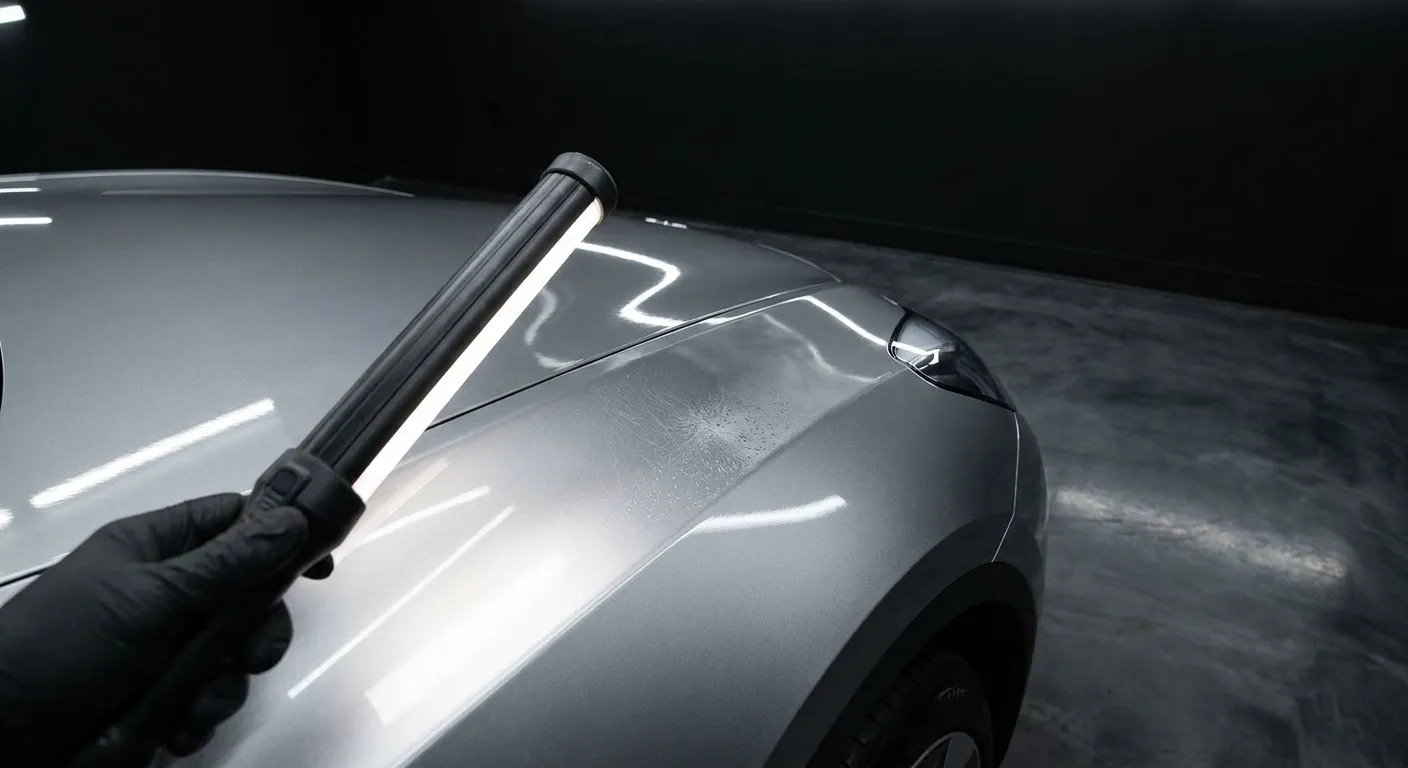
Tesla Paint Protection Guide: PPF vs Ceramic Coating
Tesla paint can show chips, scratches, and wash swirls sooner than many owners expect, especially on vehicles that see regular highway miles or crowded parking lots. A small rock chip on the bumper or hood may seem minor at first, but repeated damage can take away from the clean, high-tech look that makes a Tesla stand out. The right protection is not only about keeping the paint glossy. It can also reduce daily wear, simplify maintenance, and help preserve resale value.
Tesla paint protection usually comes down to three options: paint protection film, ceramic coating, and wax or sealants. Each one serves a different purpose. Tesla PPF, also called clear bra or paint protection film, is the strongest choice for defending high-impact areas against rock chips, road debris, light scratches, and scuffs. Its self-healing surface can help minor marks fade with heat, making it a practical option for front bumpers, hoods, mirrors, rocker panels, and other exposed areas.
Ceramic coating for Tesla owners focuses more on shine and easier upkeep. It creates a durable, slick layer that helps repel water, dirt, and light contaminants, so washing your vehicle becomes less of a chore. However, ceramic coating does not stop rock chips. It works best for drivers who want strong gloss, simpler cleaning, and better protection from everyday grime, often alongside PPF on the most vulnerable panels. Professional Ceramic Coatings can also help keep the exterior looking cleaner between washes.
Wax and paint sealants cost less upfront, but they offer shorter-term protection and limited durability. They can improve shine, but they are not the best paint protection for Tesla owners who want meaningful defense against highway debris or frequent driving. Choosing between full-body and partial Tesla paint protection film also matters. Partial coverage protects the areas most likely to be hit, while full-body PPF offers broader peace of mind for owners who want to protect the entire finish.
Your best choice depends on how, where, and how often you drive. A Model 3 or Tesla Model Y used for commuting may benefit from front-end PPF, while a weekend-driven Model S or Model X may be a better fit for ceramic coating and regular Exterior Detailing. Budget matters, but so does the long-term cost of correcting chips, scratches, and dull paint. Let’s look at what matters most when comparing PPF vs ceramic coating for Tesla vehicles.
Why Tesla Paint Needs Extra Protection
Tesla factory paint and why it is easier to damage
Tesla owners often notice chips, swirl marks, and light scratches sooner than expected. Tesla factory paint is commonly considered softer than the paint found on many other vehicles, so normal exposure can leave visible marks more easily. A small stone on the highway, a brush against a parking garage wall, or an automatic car wash can affect the finish.
High-gloss colors can make this wear even more obvious. Black paint shows swirls, white paint can reveal dark road contamination, and darker colors may show fine scratches in direct sunlight. Even careful owners face everyday risks from gravel, salt, bugs, tree sap, and tight parking spaces.
The main goal of Tesla paint protection
Tesla paint protection is about more than a shiny finish. The right protection helps reduce direct damage to factory paint, makes washing easier, and keeps the vehicle looking newer over time. It can also reduce the need for future touch-up work or Paint Correction.
Keeping the original paint in better condition can support resale value. A buyer may not know every detail of a vehicle’s maintenance history, but they can see a front bumper covered in rock chips or paint covered in swirls.
Which Tesla drivers need protection most
Protection is especially practical for daily commuters, highway drivers, and urban drivers. Highway miles expose the front bumper, hood, mirrors, and rocker panels to fast-moving debris. City parking adds risks from door dings, curbside debris, shopping carts, and narrow garage spaces.
New Tesla owners should consider protection early, before chips and scratches begin. Once paint is damaged, a protective product can prevent future wear, but it cannot make existing defects disappear. That makes the choice between PPF, ceramic coating, and wax important from the start.
PPF vs Ceramic Coating vs Wax for Tesla Owners
What paint protection film does
Tesla paint protection film, often called Tesla PPF or clear bra, is a transparent urethane film installed over painted panels. It provides a physical barrier between the paint and common hazards such as rock chips, road grit, light scuffs, and minor scratches.
Many modern films include self-healing properties. With heat from sunlight or warm water, fine surface marks in the film can become less visible. The film takes the impact so the factory paint underneath has a better chance of staying intact.
What ceramic coating does
Ceramic coating for Tesla creates a slick, protective surface that helps repel water, dirt, bug residue, and light contaminants. It can improve gloss and make the car easier to wash because grime is less likely to cling tightly to the paint.
However, ceramic coating is not a rock chip shield. It adds exterior paint protection from environmental wear and makes maintenance simpler, but a stone can still strike the coated paint hard enough to chip it.
What wax and paint sealants do
Wax and paint sealants are entry-level automotive paint care options. They can add warmth, shine, and some water beading for a short period. A sealant may last longer than traditional wax, but neither offers the impact resistance of paint protection film.
They are useful for appearance, but they are not a strong long-term answer for softer Tesla factory paint.
Quick comparison of the three options
- PPF: Highest physical protection, especially against rock chips and scuffs. It has the highest upfront cost but is ideal for frequent driving and high-impact areas.
- Ceramic coating: Strong gloss, easy cleaning, and longer-lasting chemical resistance than wax. It is best for owners focused on upkeep, not impact protection.
- Wax or sealant: Lowest cost and shortest lifespan. It is best for a quick cosmetic boost or low-mileage vehicles.
For many owners, the best paint protection for Tesla is not one product alone. It is PPF on exposed areas paired with ceramic coating for easier maintenance.
Why PPF Is the Best Choice for Rock Chip Protection
How Tesla PPF protects high-impact areas
PPF helps absorb and spread the force of small impacts before they reach the factory paint. The front bumper is usually the first panel to collect chips, but the hood, front fenders, mirrors, lower doors, rocker panels, and rear wheel arch areas also see heavy wear.
For example, a Model 3 that travels on gravel-strewn highways may develop bumper chips within a short time. Tesla PPF gives that front end a sacrificial layer that can be replaced later without repainting the original panel.
Best use cases for Tesla paint protection film
Paint protection film is often the best way to protect Tesla paint from rock chips for drivers who regularly face:
- Long highway commutes and fast-moving traffic
- Construction zones, rural roads, or winter road sand
- Tight parking spaces and crowded city streets
- Frequent family use, loading, and road trips
- Ownership plans of several years or more
If protecting original paint is the main goal, PPF offers a level of defense that ceramic coating, wax, and paint sealant cannot match.
Full body PPF vs partial PPF coverage
Partial PPF focuses on the areas most likely to take damage. A typical package may include the bumper, hood, front fenders, and mirrors. Some owners also add rocker panels because Tesla vehicles can collect debris thrown from the tires.
Full-body PPF covers nearly all painted exterior panels. It costs more, but it offers broader protection from scratches, scuffs, and weather exposure. This option appeals to owners with premium paint colors, frequent road trips, or a strong goal of preserving a near-new finish.
Is PPF worth it for a Tesla Model Y?
Tesla Model Y paint protection is a common concern because the Model Y is often used for commuting, family driving, road trips, and daily errands. Its front end, lower doors, and rear quarter areas can see steady debris exposure.
Partial front-end coverage is a practical starting point for a Model Y on a budget. Full-body Tesla PPF may make more sense for owners who park outside, drive substantial highway miles, or want the greatest peace of mind. While PPF has a higher initial price, it can be easier to justify than repainting several damaged panels later.
Ceramic Coating for Tesla: Shine and Easier Maintenance
How ceramic coating helps Tesla owners
Ceramic coating creates a smooth surface that helps water bead and dirt rinse away more easily. This can be useful for Teslas that spend time outdoors, collect pollen, or get dirty during daily driving. The finish can look glossier after washing and stay cleaner between washes.
A coating does not eliminate washing, but it makes gentle hand washing more efficient. It also helps reduce the need to scrub aggressively, which matters when the underlying paint is prone to swirls.
How long ceramic coating lasts on a Tesla
How long does ceramic coating last on a Tesla? It depends on the coating quality, preparation, wash habits, parking conditions, and driving environment. Professional coatings generally last much longer than wax, but they still need proper care to perform well.
Avoid harsh cleaners, dirty wash mitts, and automatic brushes. Regular maintenance helps the coating keep its water-repelling behavior and gloss. Professional Ceramic Coatings are a smart option for owners who want a durable, easier-to-clean finish.
Ceramic coating vs PPF for Tesla
The PPF vs ceramic coating for Tesla decision becomes simple when owners focus on the type of protection needed. PPF helps stop physical impacts. Ceramic coating improves gloss, water behavior, and cleaning ease.
Many drivers choose PPF on the front end and ceramic coating over the rest of the vehicle, or even over the film itself. This combination gives strong rock chip protection where it matters most while making the full vehicle easier to maintain.
When ceramic coating makes the most sense
Ceramic coating is a strong choice for lower-mileage owners, garage-kept Teslas, and drivers who value a clean look with less effort. It is also useful after installing partial PPF, since uncovered panels still benefit from added gloss and easier washing. For owners seeking lower-cost protection than full-body film, it is a practical middle ground.
Wax and Paint Sealants: Budget-Friendly but Limited
What wax and sealants can do for Tesla paint
Wax and paint sealants can make Tesla paint look richer and feel smoother. They also provide temporary water beading and some protection from light contamination. They are affordable and can be reapplied as part of a regular detailing routine.
Why wax is not enough for most Tesla owners
Wax does not provide meaningful rock chip protection, and it wears away faster than ceramic coating or PPF. It will not prevent a highway stone from chipping a bumper or stop a tight parking scrape from reaching the paint.
For a frequently driven Tesla, wax should be viewed as a cosmetic layer, not a full Tesla paint protection plan.
When wax still has a place
Wax can still work for a low-mileage weekend Tesla, a short-term lease, or an owner who wants a quick shine while saving for a larger service. It can also be part of regular Exterior Detailing. Still, drivers who want lasting defense should move toward ceramic coating, PPF, or a combination of both.
Full Coverage vs Partial Coverage for Tesla Paint Protection
What partial PPF covers
Partial PPF protects the panels that face the most direct debris. Common choices include the front bumper, front portion of the hood, front fenders, mirrors, and rocker panels. It lowers upfront cost while addressing the most common chip zones.
This is a sensible option for a commuter who wants real protection without investing in complete coverage.
What full-body PPF covers
Full-body PPF covers painted panels across the vehicle, including doors, rear quarters, trunk, and roof areas where applicable. It protects against more than road chips. It also helps guard against light scuffs from bags, driveway brushes, and everyday contact.
How to choose the right coverage level
Choose based on how the Tesla is actually used. A garage-kept weekend Model S may only need partial front-end protection and ceramic coating. A Model Y that handles school drop-offs, freeway commutes, and road trips may benefit from full-body film.
Consider how long you will keep the vehicle, where it is parked, and whether avoiding visible wear is worth a larger investment. With coverage decided, owners can match protection to the needs of each Tesla model.
Best Paint Protection for Each Tesla Model
Tesla Model 3 paint protection needs
The Model 3 is often a high-mileage commuter, making bumper, hood, and mirror protection especially valuable. Partial Tesla PPF on these areas is a strong starting point, while ceramic coating helps the rest of the paint stay easier to clean.
Tesla Model Y paint protection needs
The Model Y often sees family use, cargo loading, suburban errands, and highway travel. PPF on the front end and rocker panels can help with road debris, while full-body coverage suits owners who want broad protection for long-term ownership.
Tesla Model S paint protection needs
Model S owners often prioritize a refined appearance and premium paint condition. Full-front or full-body PPF paired with ceramic coating is a popular approach for preserving gloss, reducing swirl visibility, and protecting a larger investment.
Tesla Model X paint protection needs
The Model X has larger panels and may see frequent passenger use. Parking conditions, travel habits, and budget should guide coverage choices. Front-end PPF is highly practical, while door and rear-area coverage can make sense for families and owners using busy garages.
Cost, Value, and Resale Benefits
How much Tesla paint protection film costs
How much does Tesla paint protection film cost? Pricing varies based on the model, film type, panel complexity, installer skill, and coverage level. Partial front-end film costs less than full-body PPF, while larger vehicles such as the Model X generally require more material and labor.
PPF usually costs more upfront than ceramic coating or wax because it is a physical protective film that must be precisely installed.
Comparing cost to long-term value
A lower upfront cost is not always the lowest long-term cost. Chips, scratches, and swirl marks may require touch-ups, repainting, or paint correction later. These services can also create color-match concerns if the original paint has aged.
Strong protection can reduce the chance of those future expenses. It also gives owners more confidence using the car normally instead of worrying about every road trip or parking lot.
How protection helps preserve resale value
Clean, chip-free factory paint helps a Tesla look cared for when it is time to sell or trade in. Buyers often respond well to panels that appear original and free from visible road damage. Protection does not guarantee a resale price, but it can help the vehicle present better and support its overall appeal.
DIY vs Professional Installation
Why DIY film kits can be risky
Can I apply paint protection film on a Tesla myself? It is possible, but installation is difficult. Common problems include trapped dust, bubbles, stretched film, uneven cuts, lifting edges, and poor alignment around sensors and complex curves.
A poorly installed kit can look distracting and may fail early. Removing it can also take time and care.
Benefits of professional PPF installation
Professional installation provides cleaner edges, more accurate panel coverage, and a better final appearance. Skilled installers know how to prepare paint, position film, work around curves, and reduce visible seams.
This matters because PPF is only as effective as its fit. A clean installation protects the paint while preserving the sleek look Tesla owners expect.
When professional help matters most
Professional help is especially valuable for full-body PPF, difficult bumpers, mirrors, rocker panels, and newer vehicles with paint worth protecting from day one. It is also wise when pairing film with ceramic coating, since surface preparation must be done correctly.
How to Care for Tesla Paint After Protection
Basic care after PPF or ceramic coating
Even protected paint needs gentle washing. Use pH-balanced products, clean microfiber towels, and a quality wash mitt. Rinse loose dirt first so grit is less likely to drag across the finish.
Hand washing is generally safer than brush-style automatic washes. A regular maintenance plan, such as Monthly Packages, can help keep the Tesla clean without letting contamination build up.
What not to do after installation
Avoid harsh chemicals, rough brushes, dirty towels, and aggressive scrubbing. Do not use abrasive compounds on coated panels unless a professional recommends it. Drying with a clean microfiber towel or proper air drying method also reduces the chance of swirl marks.
Exterior detailing tips for Tesla owners
Regular Exterior Detailing helps remove bug residue, brake dust, road film, and other contaminants before they become harder to clean. Detailing supports the look and performance of both PPF and ceramic coating.
Why paint correction may come first
Older Tesla paint may already have swirls, water spots, or light scratches. Applying coating over those defects can lock in the appearance rather than improve it. Paint Correction can refine the finish before protection is installed, creating better gloss and a cleaner base for coating adhesion.
How to Choose the Right Tesla Paint Protection
Best option for daily commuters and highway drivers
Daily commuters and highway drivers should prioritize PPF on the bumper, hood, fenders, mirrors, and rocker panels. These areas face the most road debris. Adding ceramic coating provides easier cleaning and a consistent finish across the vehicle.
Best option for weekend drivers
Weekend drivers with lower annual mileage may find ceramic coating offers the right balance of gloss, easier washing, and cost. If they take occasional road trips, partial front-end PPF can add extra confidence without the cost of full-body coverage.
Best option for urban drivers and tight parking
Urban drivers deal with close parking, garage walls, curbside debris, and frequent door activity. A mixed setup can work well: PPF on bumpers, mirrors, door edges, and high-contact areas, plus ceramic coating on the remaining paint.
Best option based on budget
- Limited budget: Wax or paint sealant offers temporary shine, but plan for regular reapplication.
- Mid-range budget: Ceramic coating improves maintenance and appearance for daily use.
- Higher protection budget: Partial or full-body Tesla PPF provides the strongest defense against chips and scuffs.
The right plan should reflect current needs, but it should also consider the cost of repairing unprotected paint later.
Booking the Right Tesla Protection Service
What to ask before booking
Before scheduling Tesla paint protection, ask what panels are included, what film or coating products are used, how the paint will be prepared, and what aftercare is recommended. Also ask whether the shop can tailor coverage around your commute, parking situation, and ownership goals.
Why a trusted installer matters
A trusted installer affects fit, finish, durability, and the final appearance of the vehicle. Quality preparation and careful installation make the difference between protection that blends into the paint and film that has visible edges or early lifting.
How to get started
For a plan based on your Tesla model, driving habits, and budget, visit Ceramic Touch Detailing or schedule a consultation through Book Now.
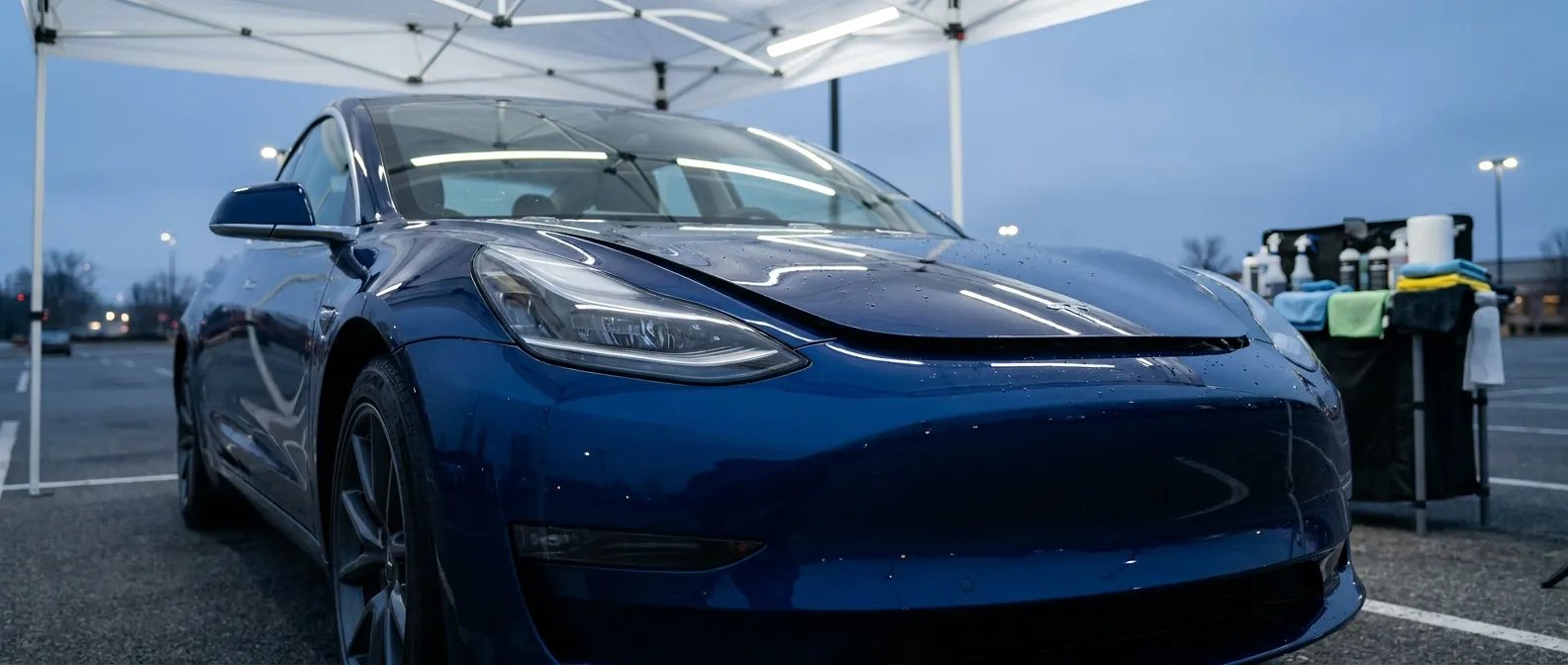
Conclusion
Tesla paint protection is not just about keeping a vehicle looking polished for a short time. It is about protecting one of the most visible parts of the car from the everyday damage that can build up fast. From rock chips and swirl marks to road grime and parking lot contact, Tesla owners face real challenges that can affect the finish sooner than expected. Because Tesla factory paint is often softer and more likely to show wear, choosing the right protection early can make a major difference over time.
The main takeaway is that each protection option has a clear purpose. PPF gives the strongest defense against physical damage and is the best choice for high-impact areas like the front bumper, hood, mirrors, and rocker panels. Ceramic coating is ideal for drivers who want easier cleaning, better gloss, and stronger resistance to dirt and water. Wax and paint sealants can still improve shine, but they are best seen as short-term cosmetic support rather than real long-term protection. For many Tesla owners, the smartest plan is a combination of services, not just one. Front-end PPF with ceramic coating on the rest of the vehicle can offer a strong balance of protection, appearance, and maintenance ease.
It also helps to match protection to how the Tesla is actually used. Daily commuters, highway drivers, and urban drivers often need the most protection because their vehicles face more debris, closer parking, and more frequent exposure to wear. Weekend drivers may not need full-body film, but they can still benefit from ceramic coating or partial PPF. Tesla Model 3, Model Y, Model S, and Model X owners all have slightly different needs, but the same rule applies: the more exposure the vehicle has, the more important it is to protect the paint early.
Another key point is that protection works best when it is installed and maintained correctly. A poorly applied film or coating will not deliver the same results as professional work. Proper preparation, paint correction when needed, and regular washing with safe products all help preserve the finish. Services like Paint Correction, Ceramic Coatings, and Exterior Detailing can all play a role in keeping Tesla paint in better shape for the long run.
In the end, Tesla paint protection is about more than appearance. It helps protect value, reduce future repair costs, and keep the car looking cared for. Whether the goal is to prevent chips, make cleaning easier, or preserve resale appeal, the right protection choice brings peace of mind every time the car hits the road. If you want help choosing the best option for your Tesla, a trusted installer can guide you toward a setup that fits your driving habits, budget, and long-term goals. Start by exploring Ceramic Touch Detailing or book a consultation through Book Now to protect your Tesla the right way.
Tesla paint protection matters more than many owners expect because Tesla factory paint can be softer and easier to damage. If you drive on highways, park in tight lots, or want to keep your car looking new, it helps to compare PPF, ceramic coating, and wax before choosing a solution.
- Protect softer Tesla paint from everyday damage: Tesla paint can scratch, swirl, and chip more easily, so protection is not just about looks, it is about reducing daily wear from road debris, parking lots, and washing.
- Use PPF for the strongest rock chip defense: Paint protection film gives the best barrier against chips and surface scratches, making it a smart choice for high-impact areas like the front bumper, hood, mirrors, and rocker panels.
- Choose ceramic coating for easier upkeep: Ceramic coating adds shine and helps repel dirt, water, and light contaminants, but it does not stop rock chips like PPF does.
- Know the difference between full and partial coverage: Partial PPF costs less and covers the most exposed panels, while full body PPF gives broader protection for owners who want the highest level of care.
- Compare cost with long-term value: PPF usually costs more upfront than ceramic coating or wax, but it can help preserve the finish and support resale value by keeping the paint in better shape.
- Do not rely on wax alone for a Tesla: Wax and paint sealants are entry-level options that add short-term gloss, but they do not offer the same durability or impact protection as PPF or ceramic coating.
- Match the protection to how you drive: Daily commuters, highway drivers, and urban parkers often benefit most from PPF, while weekend drivers may prefer ceramic coating for easier cleaning and shine.
- Professional install matters for best results: DIY film kits can be tempting, but professional installation usually gives cleaner edges, better fit, and fewer bubbles or lifting issues.
- Think about each Tesla model separately: Model 3 and Model Y owners often focus on front-end and high-contact protection, while Model S and Model X owners may lean toward broader coverage based on their driving and parking habits.
These takeaways make it easier to compare Tesla paint protection options based on durability, cost, and daily use. Next, we will break down which choice makes the most sense for your Tesla and your budget.
Protect Your Tesla Before the First Chip
Your Tesla’s paint faces daily wear from highway debris, parking lots, weather, and regular washing. The best time to protect it is before chips, swirls, and scratches become expensive repairs. Ceramic Touch Detailing can build a protection plan around your model, driving habits, and budget.
- Get targeted PPF coverage for bumpers, hoods, mirrors, rockers, and other high-impact areas
- Add ceramic coating for deeper gloss, easier washing, and better resistance to grime
- Choose partial or full-body coverage that fits how long you plan to keep your Tesla
- Preserve more of your original factory paint for a cleaner look and stronger resale appeal
- Receive professional prep and installation for a smooth, durable finish
Protect your Tesla while the paint is still in great shape, and book your Tesla paint protection consultation today.
What is better for Tesla paint protection: PPF or ceramic coating?
PPF is better when your main goal is rock chip and scratch protection because it creates a physical barrier on the paint. Ceramic coating is better for gloss, easier washing, and protection from dirt and water, but it will not stop chips. Many Tesla owners choose PPF on the front end and ceramic coating on the rest of the car. Ceramic Touch Detailing can help you choose the right mix based on how you drive and how long you plan to keep the vehicle.
How much does Tesla paint protection film cost for a Model Y?
Tesla PPF pricing for a Model Y depends on the coverage you choose, the condition of the paint, the film selected, and the complexity of the install. Partial front coverage costs less than full body protection, and add ons such as paint correction can affect the final plan. For the most accurate quote, book a consultation with Ceramic Touch Detailing so the package can be matched to your goals and budget.
Is PPF worth it for a Tesla Model Y if I do mostly highway driving?
Yes, PPF is often worth it for a highway driven Model Y because the front bumper, hood, mirrors, and rocker panels take the most impact from road debris. Highway miles increase the risk of rock chips, which can show up quickly on Tesla paint. If you want to preserve the original finish and reduce future repair work, Ceramic Touch Detailing can recommend the best front end or full coverage setup for your driving habits.
How long does professional ceramic coating last on a Tesla?
Professional ceramic coating usually lasts much longer than wax, but actual durability depends on product quality, paint preparation, maintenance, parking conditions, and driving exposure. A coating still needs proper washing and care to keep performing well. Ceramic Touch Detailing can inspect your Tesla, prep the surface correctly, and recommend a coating plan that fits how you use the car.
What should I ask before booking Tesla paint protection service?
Ask what areas will be covered, whether the shop offers partial or full coverage, what products are used, how the paint will be prepared, and what aftercare is needed. You should also ask whether paint correction is recommended before installation. These questions help you compare service options clearly, and Ceramic Touch Detailing can walk you through the best setup for your Tesla during a consultation.
