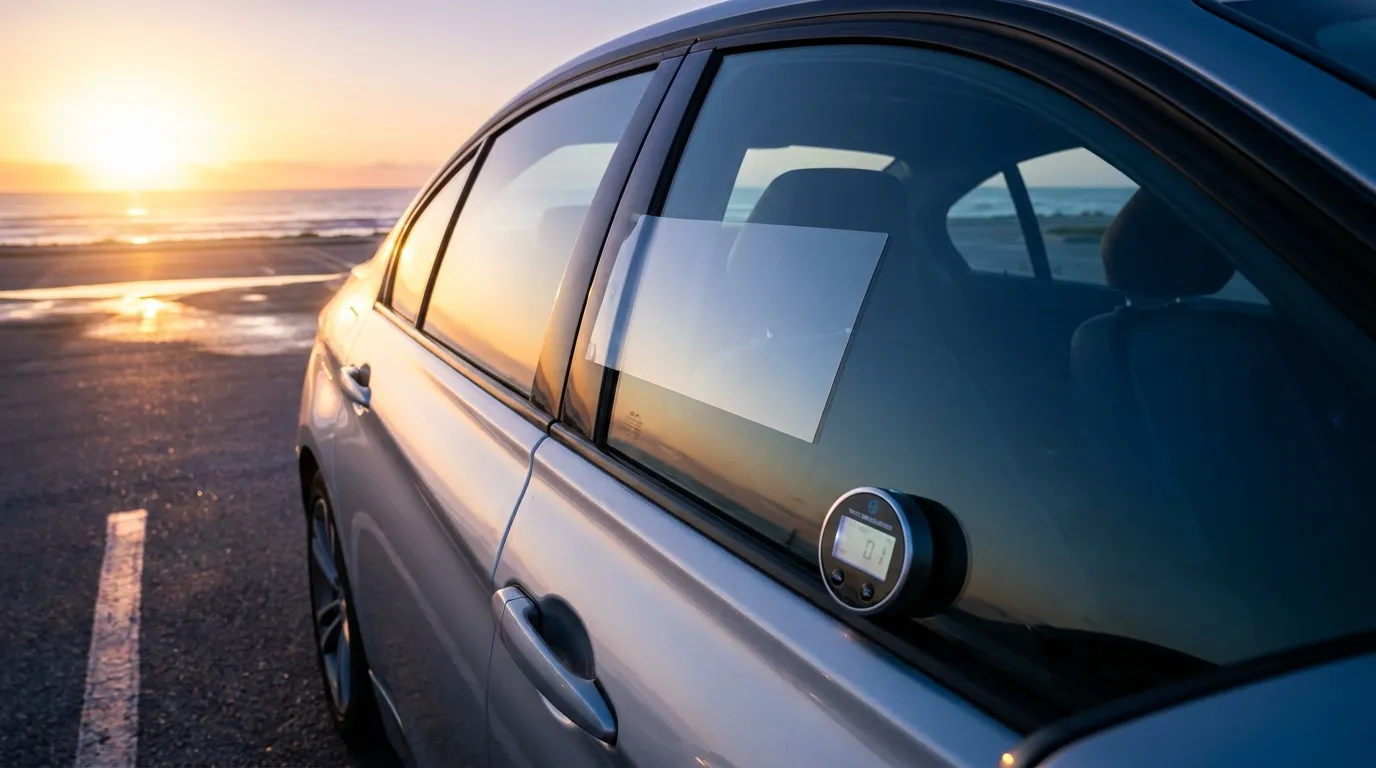
Window Tinting Daytona Beach Florida: Legal Ceramic Guide
A darker window does not always mean a cooler car, and in Florida, it can also mean a ticket if the tint is too dark. For Daytona Beach drivers, the right window film must do more than improve privacy. It needs to cut glare, reduce heat, block harmful UV rays, and stay within Florida’s visible light transmission rules.
That balance matters every time you drive through Daytona Beach or across Volusia County. Florida sun can quickly turn a parked vehicle into a hot cabin, while constant UV exposure can fade upholstery, dry out trim, and make leather or vinyl surfaces crack over time. Quality window tint helps protect your comfort and your interior, but the film percentage you choose must match both your vehicle type and the window being tinted.
Florida window tint laws are not one-size-fits-all. Sedans have different limits than SUVs and vans, especially on rear side windows and back glass. Front windows also have stricter requirements, which means a popular dark shade may not be legal for your vehicle. Choosing tint based on appearance alone can lead to fines, fix-it tickets, and the cost of removing film that should not have been installed in the first place.
This is where ceramic window film stands out. Unlike basic dyed tint, ceramic film is designed to reject infrared heat and block UV rays without depending on an extremely dark shade. That gives drivers a practical way to keep the cabin cooler, reduce glare, and protect interior materials while maintaining legal visibility. It is a strong option for anyone looking for window tinting Daytona Beach Florida drivers can rely on through long, sunny commutes and beachside parking.
Installation quality matters just as much as the film itself. Cheap tint jobs may leave gaps, uneven edges, bubbles, or unclear information about legal limits. A professional, computer-cut installation provides a cleaner fit around glass edges, sensors, and trim while helping ensure the selected film is appropriate for your vehicle. Pairing legal ceramic tint with services like Interior Detailing can also help preserve the surfaces that Florida heat works hardest to damage.
Whether you drive a sedan, truck, SUV, or van, the goal is not simply to make your windows darker. It is to choose a legal, high-performing film that improves daily driving and protects your investment. Let’s look at Florida’s legal tint percentages, how ceramic film compares with standard options, and what to ask before scheduling professional window tinting for your vehicle.
Florida Window Tint Laws Every Daytona Driver Should Know
What legal tint means in Florida
Florida window tint laws are based on visible light transmission, often called VLT. This number describes how much visible light can pass through a window after the film is installed. A higher VLT percentage means a lighter tint. A lower percentage means a darker tint.
For example, 35% VLT allows more light through than 15% VLT. Legal tint is not simply about whether a window looks dark from outside. The factory glass and the installed film work together, so the final measured VLT must meet Florida tint compliance requirements.
A quality installer should explain the legal limit for your vehicle before choosing a shade. This matters because a film that sounds legal on its own can test darker once it is applied to already tinted factory glass. Understanding that difference helps you make a compliant choice from the start.
How Florida tint laws affect Daytona Beach and Volusia County drivers
Daytona Beach drivers deal with strong sun, hot pavement, coastal parking lots, and long commutes on I-95 or International Speedway Boulevard. Those conditions make heat rejection window film valuable, but they do not change the Florida window tint laws.
Volusia County tint regulations follow statewide rules. Law enforcement can assess tint during a traffic stop, particularly when front windows appear excessively dark or reflective. A shop that focuses only on darkness or privacy may leave drivers with a tint setup that creates unnecessary attention.
The better approach is to combine legal visibility with high-performance ceramic film. That way, your vehicle can reduce heat and UV exposure without relying on an illegally dark front window. The specific limits depend on whether you drive a sedan, SUV, truck, or van.
Sedan vs. SUV and van tint rules in Florida
Florida separates passenger sedans from multipurpose vehicles. SUVs, trucks, and vans often have more rear-window tint flexibility than sedans, but their front side windows still follow the same basic legal limit.
Window position matters as much as vehicle type:
- Windshield rules are different from side-window rules.
- Front side windows have stricter VLT requirements.
- Rear side windows and back glass may have different limits depending on the vehicle classification.
Knowing which category your vehicle falls into is the first step toward legal window tinting Daytona Beach Florida drivers can enjoy with confidence.
Florida Window Tint Laws by Vehicle Type and Window Position
Legal window tint percentage in Florida for sedans
For most sedans in Florida, the front side windows must allow at least 28% of visible light through. The rear side windows and rear glass must allow at least 15% VLT.
In simple terms, the front doors of a sedan must be lighter than the rear doors and back glass. The windshield may only have non-reflective tint above the manufacturer’s AS-1 line, which is typically near the top of the windshield.
Drivers asking, “What is the legal tint percentage in Florida for sedans?” should remember that the final reading matters. Factory glass can already reduce light transmission, so the film choice should be based on the finished VLT, not just the shade printed on the film box.
Legal window tint percentage in Florida for SUVs and vans
For SUVs, vans, and many trucks classified as multipurpose vehicles, the front side windows must also allow at least 28% VLT. However, Florida generally allows darker tint behind the front seats, including rear side windows and back glass.
That rear flexibility is useful for family SUVs, work vans, and beach vehicles that carry gear or passengers. Darker rear glass can increase privacy and reduce glare, while a compliant ceramic tint on the front doors helps maintain clear daytime and nighttime visibility.
Even with more rear-window flexibility, drivers should not assume every dark-looking setup is legal. Vehicle classification, existing privacy glass, film reflectivity, and the final VLT all need consideration before installation.
What is the darkest legal tint in Florida?
For sedans, the darkest legal tint is generally 28% VLT on front side windows and 15% VLT on rear side windows and back glass. For SUVs, trucks, and vans, the front side windows remain at 28% VLT, while rear side and back windows can be darker.
However, the darkest legal tint is not automatically the best tint for every driver. Very dark film may make reverse parking, rainy-night driving, and low-light visibility more difficult. It can also provide less practical benefit than people expect if the film itself has weak heat-rejection properties.
A lighter, premium ceramic film can often deliver better cabin comfort than a darker, low-grade dyed film. That is why performance should guide the decision, not appearance alone.
Why mirror, reflective, or overly dark tint can be a problem
Florida also limits window-film reflectivity. Front side tint cannot be more than 25% reflective, while rear side tint cannot be more than 35% reflective. Highly mirrored or metallic-looking film can attract attention and may not meet legal requirements.
Overly dark tint can create other problems beyond a possible stop:
- Reduced visibility at night, especially around pedestrians and cyclists
- Difficulty seeing through side windows during rain or in parking garages
- Costly film removal and replacement if the tint fails inspection
- A less professional appearance when tint edges bubble, fade, or turn purple
Legal tint should look clean, offer useful protection, and support safe driving. Ceramic film is especially helpful because it provides strong performance without forcing you to choose an extreme shade.
Why Ceramic Window Film Is the Best Choice for Florida Heat
What is ceramic window film?
Ceramic window film is a premium tint made with non-metallic ceramic particles. These particles help block heat-producing infrared energy while maintaining clear visibility and stable color.
Unlike basic dyed tint, ceramic film is designed for more than darkness. It can provide excellent infrared heat rejection, UV blocking, and glare reduction without the signal interference that can occur with some metal-based films.
For Daytona Beach drivers, this means you can choose a legal VLT percentage and still receive meaningful comfort benefits. A professional window tinting service should help match the film’s performance to your vehicle and driving habits.
Heat rejection and infrared blocking without going too dark
Sunlight creates cabin heat through visible light, infrared energy, and solar radiation passing through the glass. Dark tint reduces some visible light, but darkness alone does not tell you how well a film handles infrared heat.
Ceramic film is valuable because it targets heat energy efficiently. A legal ceramic tint can make a noticeable difference when your car has been parked near the beach, outside work, or in an uncovered driveway. It helps reduce the intense feeling of heat radiating from the glass and interior surfaces.
This is the key difference between choosing film for looks and choosing it for real Florida driving conditions. Strong heat rejection allows drivers to stay closer to legal VLT limits while still improving comfort.
UV blocking window film for interior protection
Quality UV blocking window film helps reduce the ultraviolet exposure that can fade, dry, and age interior materials. Leather, vinyl, dashboard plastics, door panels, and trim can all suffer from repeated sun exposure.
Tint does not replace proper vehicle care, but it supports it. A well-maintained interior with protected glass is less likely to look prematurely dull or dried out after years of Florida sunshine.
Ceramic film can also help protect passengers from UV exposure during daily driving. This makes it a practical upgrade for commuters, parents, rideshare drivers, and anyone who spends time on the road during bright coastal afternoons.
Why ceramic tint is ideal for Daytona Beach drivers
Daytona Beach vehicles face conditions that demand more than basic privacy tint. Salt air, beach parking, bright reflections, heat-soaked pavement, and year-round sun all make interior UV protection and heat control more important.
Ceramic window tint Daytona Beach drivers choose should offer a sensible balance of clarity, legal compliance, and heat rejection. Whether you drive a sedan to work, an SUV to the beach, or a truck across Volusia County, the right film can improve the cabin experience without creating a legal issue.
Those same advantages become clearer when ceramic tint is compared with standard film options.
Ceramic Tint vs. Regular Tint: What Drivers Need to Know
Ceramic window tint Daytona Beach drivers choose for performance
Ceramic tint is a performance upgrade for drivers who want comfort without sacrificing visibility. It is especially useful on front windows, where Florida law requires a lighter legal VLT than many drivers expect.
A good ceramic film can provide:
- Strong infrared heat rejection
- High UV protection
- Clear outward visibility
- Stable color that resists fading
- No metal layer that may interfere with electronic signals
For local drivers, ceramic film installation makes sense because it solves the real problem: Florida heat. Darker tint may look dramatic, but quality ceramic technology often delivers the better everyday result.
Dyed tint and carbon tint compared with ceramic film
Dyed tint is often the entry-level option. It can provide shade and privacy, but it may not reject heat as effectively as premium film. Lower-grade dyed films are also more likely to fade or develop a purple tone over time.
Carbon tint is generally a step up from dyed film. It often has a richer appearance and improved heat performance, but ceramic tint is usually the stronger option for drivers focused on infrared heat rejection and long-term clarity.
Ceramic film is typically the premium choice because it prioritizes performance, durability, and comfort. The best option depends on your budget, vehicle, and legal VLT needs, but Florida drivers should compare film specifications rather than judging tint by darkness.
Does ceramic tint keep a car cooler without being too dark?
Yes. Ceramic tint can help keep a vehicle more comfortable without requiring extremely dark windows. This is one of the main reasons it is often considered the best ceramic window tint for Florida heat and UV protection.
A legal front-window shade paired with high-quality ceramic technology can reject more heat than a darker, lower-performance film. That helps drivers avoid the common mistake of going too dark just to feel cooler.
The result is a more practical setup: comfortable daytime driving, improved glare control, and better compliance with Florida tint laws.
What to look for in a high-quality heat rejection window film
When comparing window films, ask about more than the shade. A high-quality heat rejection window film should provide clear information about its VLT, infrared rejection, UV protection, durability, and warranty.
Look for a film that fits your actual needs. A daily commuter may prioritize clear visibility and heat reduction on the front doors. A family SUV may need legal front-window film plus darker rear privacy coverage. A professional consultation helps narrow down the right combination.
Once performance is understood, the next decision is choosing a legal tint setup that works for your daily driving routine.
Legal Tint Choices for Daily Driving in Daytona Beach
How to choose the right tint percentage for your vehicle
Start with your vehicle type and the windows you want tinted. Sedans have stricter rear-window limits than many SUVs and vans, while front side windows require the same careful attention across vehicle types.
Then consider when and where you drive. If you frequently drive after dark, a lighter ceramic tint may be the smarter choice. If your vehicle is parked outdoors during work or near the beach, prioritize infrared heat rejection and UV blocking rather than the darkest possible film.
The best tint percentage is one that is legal, comfortable, and safe for your real driving conditions.
Best ceramic window tint for Florida heat and UV protection
The best ceramic tint is not one single shade for every vehicle. It is a film selection that meets Florida legal limits while providing the heat and UV performance you need.
For many Daytona Beach drivers, that means selecting a compliant front-window VLT with premium ceramic properties, then adjusting rear tint based on vehicle type and privacy needs. This approach gives you a cooler cabin without compromising the visibility needed for traffic, storms, and nighttime driving.
How to get legal window tint in Daytona Beach without getting pulled over
The easiest way to get legal window tint in Daytona Beach without getting pulled over is to treat compliance as part of the installation, not an afterthought. Tell the installer your vehicle type, whether the glass has factory privacy tint, and what matters most to you.
Avoid choosing film based only on a friend’s vehicle or an online photo. Two vehicles with the same labeled film can have different final VLT readings because factory glass varies.
A compliance-first installer should explain legal options clearly and help you select film before anything is applied. That transparency is especially important for front side windows.
Common tint mistakes Florida drivers should avoid
Common mistakes often come from poor advice, not bad intentions. Drivers may assume that all rear windows can be as dark as they want, select a front tint that measures below the legal limit, or install inexpensive film that fades quickly.
Avoid these issues:
- Guessing the VLT instead of confirming the final legal percentage
- Using sedan tint rules for an SUV, truck, or van
- Choosing dark film instead of high-performance ceramic film
- Ignoring reflectivity limits
- Hiring an installer who does not discuss Florida tint compliance
Avoiding these mistakes begins with choosing a shop that values precise installation as much as film performance.
Why Installation Quality Matters as Much as the Film
Computer-cut window tint for a cleaner fit
Computer-cut window tint is made using vehicle-specific patterns rather than hand-cutting film directly against the glass. This supports a cleaner fit around window edges, trim, defroster lines, and complex shapes.
Precision matters because clean edges improve both appearance and long-term durability. Properly sized film is less likely to lift at corners or leave uneven gaps that collect dirt and moisture.
Why cheap tint shops can cause problems
A low price can be appealing, but rushed tint work may create expensive problems. Some shops focus on fast installs without fully explaining vehicle-specific legal limits, factory glass, or film quality.
Cheap film may bubble, peel, discolor, or lose performance sooner than expected. If the tint is also too dark, the driver may face removal costs, replacement costs, and a fix-it ticket.
Professional auto window tinting Daytona Beach service should provide clear choices, not pressure drivers toward a questionable shade.
Signs of a professional ceramic film installation
Professional work should look smooth and intentional. Film should align cleanly with the glass, sit neatly around edges, and avoid obvious contamination, wrinkles, or large gaps.
It is normal for newly installed tint to have some moisture haze while it cures. However, persistent bubbles, peeling corners, distorted film, and uneven cuts are not signs of quality work.
A professional installer should also explain basic aftercare, curing expectations, and the legal VLT selected for your vehicle.
Why proper fit helps with Florida tint compliance
A clean install does not change the VLT number by itself, but it supports a compliant, professional result. Poorly fitted film can make windows look darker, patchy, or more reflective than intended. It can also make drivers more likely to replace the tint sooner.
Choosing the right film and installing it correctly reduces avoidable problems. That is especially important because illegal tint can become more expensive than the original installation.
Risks of Illegal Tint in Florida
Fines and fix-it tickets
Tint that does not meet Florida requirements can result in a traffic citation or a requirement to correct the issue. The exact outcome can vary by circumstance and enforcement agency, but the inconvenience is real.
A stop for tint can lead to lost time, paperwork, and the need to schedule removal or replacement. Legal tint provides peace of mind because it reduces the chance that your windows become a reason for unwanted attention.
Why illegal tint can become a bigger expense later
Illegal tint is rarely a bargain. After paying for the first installation, you may need to pay again for removal, new film, and professional reinstallation. Cheap or poor-quality tint can add even more cost if adhesive residue or damage needs correction.
Doing it right the first time protects your budget and avoids the frustration of starting over. It also gives you the chance to choose ceramic performance rather than simply replacing dark film with another basic option.
What happens if your tint is too dark for your vehicle
If tint is too dark, you may have reduced nighttime visibility, increased enforcement risk, and a less enjoyable driving experience. This is especially true on front side windows, where drivers need to see cross traffic, pedestrians, and cyclists.
Medical exemptions may exist for qualifying conditions, but they involve specific documentation and should not be assumed to apply. For most drivers, the practical solution is choosing a legal VLT with a high-quality ceramic film.
Legal film protects more than your driving record. It also supports the condition of the vehicle inside.
How Window Tint Protects Your Interior in Florida
UV protection and interior UV damage prevention
Florida sunlight can gradually fade seat materials, dry leather, and make dashboards look dull. UV protection from quality window film helps reduce that exposure during daily driving and outdoor parking.
Tint is not a replacement for cleaning and conditioning the cabin, but it creates a helpful first line of defense. Your interior spends less time exposed to harsh sunlight, which supports better long-term appearance.
Heat buildup and comfort inside the cabin
Heat buildup affects every part of the driving experience. A hot steering wheel, scorching seats, and a slow-to-cool cabin can make even a short Daytona Beach errand unpleasant.
Ceramic window film helps reduce the amount of solar heat entering through the glass. Your air conditioning still has work to do, but the cabin can feel more manageable after sitting in the sun. This is particularly useful for commuters and drivers who park outdoors.
Pairing window tint with Interior Detailing
Tint helps limit UV exposure, while Interior Detailing helps remove dirt, spills, salt, sand, and buildup from the cabin. Together, these services support a cleaner and better-protected vehicle interior.
For example, a beach-going SUV may benefit from ceramic tint for heat and UV reduction, followed by interior detailing to refresh carpets, seats, trim, and hard-to-clean areas. That combination is a practical way to care for the vehicle where Florida conditions are most noticeable.
How to Choose the Right Tint for Your Vehicle and Budget
What matters most: legal compliance, heat rejection, or privacy?
Every driver has different priorities, but legal compliance should come first. From there, decide how much heat reduction, privacy, glare control, and appearance matter to you.
Ceramic film is often the balanced solution because it can offer meaningful heat rejection at legal shades. If privacy is the highest priority, SUV and van owners may have more legal flexibility behind the front seats. Sedan owners should be especially careful about rear-window limits.
Questions to ask before booking a tint install
Ask clear questions before scheduling:
- What final VLT will my vehicle have after installation?
- Are the recommendations legal for my sedan, SUV, truck, or van?
- Is the film ceramic, dyed, or carbon?
- How does the film handle infrared heat and UV exposure?
- Will factory glass affect the finished tint percentage?
- What warranty and aftercare guidance are included?
These questions help you compare installers based on knowledge and value, not only price.
How much does ceramic window tinting cost in Daytona Beach?
Ceramic window tinting cost in Daytona Beach depends on factors such as vehicle size, number of windows, film grade, existing tint removal, and the complexity of the glass. A full-size SUV generally requires more material and labor than a compact sedan.
Premium ceramic film usually costs more than basic dyed tint because it offers stronger heat performance and better long-term stability. Expert preparation and installation also matter. The goal is not simply the lowest initial price, but legal, durable tint that does not need to be redone prematurely.
When a full vehicle protection plan makes sense
Tint is one part of protecting a vehicle from Florida conditions. Ceramic film helps inside the cabin, while Ceramic Coatings can help protect exterior painted surfaces and simplify routine cleaning.
For vehicles exposed to beach sand, road grime, rain, and sun, Exterior detailing can also help restore a clean finish. Combining services creates a more complete care plan for drivers who want their vehicle to look good inside and out.
Choosing Ceramic Touch Detailing for Legal Window Tinting
Why local experience matters in Daytona Beach
Local experience matters because Daytona Beach drivers need solutions that work for Florida sun and Florida tint compliance. A professional should understand the difference between sedan and SUV rules, how factory glass affects VLT, and why darker is not always better.
Ceramic Touch Detailing takes a practical approach to window tinting Daytona Beach Florida drivers can rely on. The goal is to help you choose film that makes sense for your vehicle, your budget, and your daily route.
What to expect from a professional tint consultation
A proper consultation should feel clear, not confusing. You should be able to discuss your vehicle type, current glass, privacy preferences, heat concerns, and desired appearance before selecting a film.
A professional recommendation should explain legal front-window limits, rear-window options, and the performance differences between basic and ceramic films. You should leave knowing what is being installed and why it is appropriate for your vehicle.
Related services that help protect your vehicle
Window tint works well alongside other vehicle care services. Paint Correction can address swirl marks and paint defects before adding long-term exterior protection. Headlight Restoration can improve the look and clarity of aging headlights.
For broader paint protection, Ceramic Coatings can complement your tint investment by helping defend exterior surfaces from Florida’s harsh environment. Together, these services support a cleaner, more comfortable, and better-maintained vehicle.
Book your legal ceramic tint install
For legal, performance-focused window tinting, choose a ceramic film setup that fits your vehicle type and Florida driving needs. A professional consultation can help you balance VLT percentage Florida requirements, heat rejection, UV protection, privacy, and visibility.
Ready to protect your cabin from Daytona Beach heat without guessing at legal limits? book your ceramic tint consultation with Ceramic Touch Detailing.
Conclusion
For Daytona Beach and Volusia County drivers, choosing window tint is about more than picking a shade that looks good. The right tint has to balance Florida compliance, heat rejection, UV protection, visibility, and long-term comfort. That is especially important in a place where cars sit in strong sun, traffic moves through bright coastal conditions, and drivers spend plenty of time on I-95, International Speedway Boulevard, and local roads where glare can become a daily problem.
The main takeaway is simple: legal tint should be chosen by finished VLT, not by guesswork. Factory glass changes the final result, so a film that seems legal on paper can still test too dark after installation. That is why vehicle type matters, and why sedan rules are not the same as SUV, truck, or van rules. Front side windows have stricter limits, rear glass may allow more flexibility, and the windshield has its own special rules. Knowing those differences helps you avoid mistakes and choose a setup that fits both your vehicle and your driving habits.
Another key point is that darker is not always better. Many drivers assume the darkest tint will give the best comfort, but that is not always true. A high-quality ceramic film can block more heat and UV rays than a cheaper dark film. This means you can stay within legal limits and still enjoy a cooler cabin, better glare control, and more protection for your interior. For Florida drivers, that is a much smarter long-term choice than chasing privacy alone.
Ceramic film also stands out because it supports daily use in a practical way. It can help reduce cabin heat, protect seats, dashboards, and trim from UV damage, and improve comfort for commuters, families, rideshare drivers, and anyone parking outside. When paired with proper care, it becomes part of a bigger vehicle protection plan that helps your car look better and age more slowly.
Installation quality matters just as much as the film itself. A clean, computer-cut install helps the tint fit better, look sharper, and perform the way it should. On the other hand, cheap film or rushed work can lead to bubbling, fading, peeling, or a tint that ends up too dark and creates legal problems later. Paying for quality once is usually better than paying twice to fix a bad job.
It also helps to think beyond tint alone. Services like Interior Detailing, Ceramic-Coatings, Exterior-detailing, Paint-Correction, and Headlight-Restoration can all work together to protect and improve your vehicle inside and out.
If you want a tint setup that keeps your car cooler, looks clean, and follows Florida law, the best next step is to work with a shop that understands both performance and compliance. A professional consultation can save you time, money, and stress while helping you choose a film that truly fits your vehicle.
For drivers ready to move forward with legal, high-performance window tinting, Ceramic Touch Detailing offers a smart way to protect your vehicle without guessing at the law. If you are ready to make your daily drive more comfortable, book your consultation today.
Florida drivers in Daytona Beach need more than a darker look from window tint. They need a film that helps with heat, UV rays, and privacy while still staying within legal limits. Understanding the rules, film types, and installation quality can help you avoid tickets and choose the right tint for local driving conditions.
- Know the legal tint limits before you book: Florida has specific VLT rules for different window positions, and the legal percentages can change based on whether you drive a sedan, SUV, or van.
- Choose ceramic tint for comfort and compliance: Ceramic window film can block more heat and UV rays without relying on extra darkness, making it a smart option for drivers who want performance and a legal look.
- Protect your interior from Florida sun damage: UV-blocking tint helps reduce fading, cracking, and heat buildup inside your vehicle, which is especially important in Daytona Beach and Volusia County.
- Avoid cheap installs that skip legal disclosure: Some tint shops focus on price or speed but do not explain Florida tint laws, which can leave you with a setup that is not legal for the road.
- Match the tint to your vehicle type: Sedan, SUV, and van rules are not always the same, so the right percentage depends on the vehicle you drive and the windows being tinted.
- Expect better results from precision installation: Computer-cut ceramic film can give a cleaner fit, better appearance, and more consistent coverage than a rushed install.
- Understand the risk of illegal tint: Non-compliant tint can lead to fines, fix-it tickets, and extra hassle if you get pulled over or need to correct the film later.
- Look for real heat rejection, not just a dark shade: The best tint for Florida heat should reduce infrared heat and glare while still meeting legal visible light transmission limits.
If you are shopping for window tinting Daytona Beach Florida drivers can trust, the best choice is one that keeps your car cooler, protects your interior, and follows the law from the start. The next section breaks down the legal percentages, ceramic film benefits, and what to ask before you schedule your install.
Get Legal Ceramic Tint Built for Florida Heat
You do not have to choose between a cooler cabin and legal visibility. Ceramic Touch Detailing can help you select a tint setup that fits your vehicle, driving habits, and Florida VLT requirements before installation begins.
Our professional window tinting service helps you get lasting comfort without the risk of overly dark or low-quality film.
- Legal VLT guidance for sedans, SUVs, trucks, and vans
- Premium ceramic film for strong heat and UV reduction
- Clearer visibility than overly dark tint, especially at night
- Clean, computer-cut installation for a precise finish
- Help accounting for factory glass and final tint readings
Do not wait until the next hot beach parking lot or traffic stop to rethink your tint. Book your ceramic tint consultation today.
How much does ceramic window tint cost in Daytona Beach?
Pricing depends on your vehicle type, the number of windows, the film grade, whether old tint must be removed, and the finish you want. Ceramic film costs more than basic tint because it offers stronger heat and UV rejection. Ceramic Touch Detailing can review your vehicle and help you choose a legal option that fits your goals, so book a consultation or appointment to get an exact quote.
Is ceramic window tint worth the extra money for Florida heat?
Yes, for many Florida drivers it is worth it because ceramic film is built to reject more infrared heat and block more UV rays without needing an extremely dark shade. That means better comfort, better interior protection, and better visibility than relying on cheap dark tint alone. It is a smart choice if you park outside, commute daily, or drive in strong sun around Daytona Beach.
What is included in a professional window tint installation?
A professional installation should include help choosing the right VLT for your vehicle, computer-cut film for a precise fit, careful surface prep, and clean application around edges and trim. You should also get clear guidance on legal limits, curing expectations, and aftercare. Ceramic Touch Detailing focuses on a clean, compliant result, so contact us to book your installation.
How do I choose the right tint for my sedan, SUV, or truck?
Start with your vehicle type, because Florida tint limits are different for sedans and for SUVs or trucks. Then decide whether your main goal is heat rejection, privacy, or interior protection. A good shop should explain the legal front window limits and help you choose a ceramic film that keeps your vehicle compliant while still improving comfort.
Can I get legal ceramic tint on front windows in Florida?
Yes. Front side windows can be tinted legally as long as the finished VLT stays within Florida’s requirements. Ceramic film is a strong choice because it can provide heat and UV protection without forcing you into a darker shade than the law allows. Ceramic Touch Detailing can help you choose a legal front-window setup that works for your vehicle.
