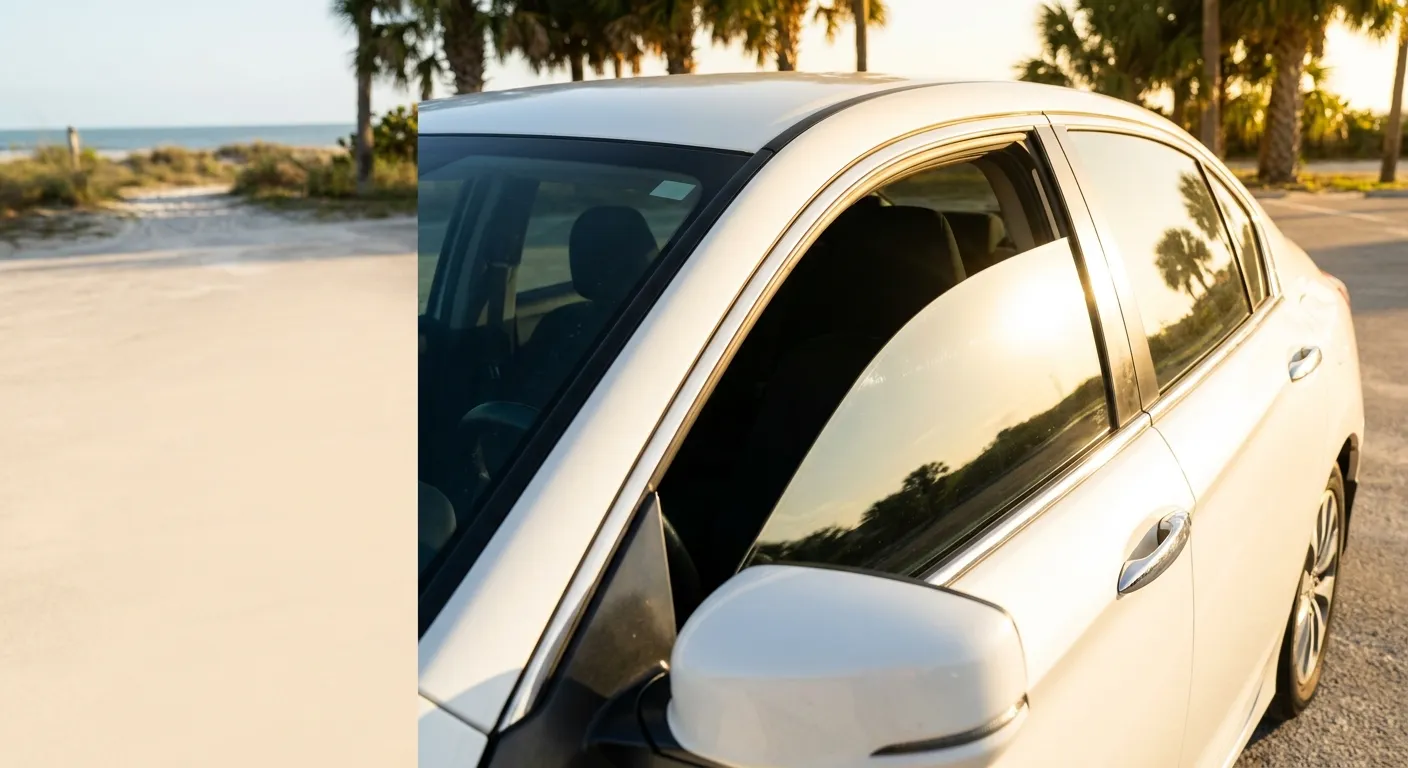
Window Tinting Ormond Beach: Keep Your Car Cool Year-Round
A parked car in Florida can feel like an oven in minutes, even when the outside temperature seems manageable. Strong sun, bright roads, and long daily drives can turn your cabin into an uncomfortable space while also fading seats, drying out trim, and making glare harder to manage.
That is why window tinting Ormond Beach drivers can count on is about more than giving a vehicle a darker look. The right film can help reject heat, block harmful UV rays, reduce glare, and make every trip more comfortable. It can also help protect the interior you work hard to maintain, especially when paired with professional Interior Detailing.
Not all tint films perform the same in Florida heat. Basic dyed tint may improve privacy and appearance, but carbon and ceramic films offer stronger heat control and better resistance to fading. Ceramic tint is often the best choice for drivers who want maximum comfort, clear visibility, and long-term value without relying on an overly dark shade.
Professional installation matters just as much as the film itself. A properly installed tint should fit cleanly around your windows, cure correctly, and follow Florida window tint laws. At Window Tinting, Ceramic Touch Detailing helps Ormond Beach and Volusia County drivers choose a tint package that matches their vehicle, driving habits, and comfort goals.
Before booking, it is helpful to understand legal tint limits, installation time, aftercare, and the real differences between dyed, carbon, and ceramic film. You should also know when it is safe to roll your windows down and what to expect while the film cures. Choosing the right option can make your vehicle cooler after it sits in the sun, easier to drive during bright afternoons, and better protected from daily UV exposure.
Quality tint also supports your larger vehicle care plan. While tint protects the cabin from sunlight, Ceramic Coatings can help protect exterior paint from the elements and make routine cleaning easier. Together, these services help your vehicle look better, feel more comfortable, and stay easier to maintain over time.
Let’s look at what matters most when choosing auto window tint in Ormond Beach, from film performance and Florida laws to installation expectations and the best option for your daily drive. When you are ready to upgrade your comfort and protect your interior, you can book your appointment with Ceramic Touch Detailing.
Why Window Tinting Matters in Ormond Beach
How Florida heat affects your daily drive
In Ormond Beach, a vehicle can become uncomfortable quickly after sitting in direct Florida sun. Even a short stop at the store can leave the steering wheel hot, the seats warm, and the cabin stuffy when you return. This affects commuters, parents loading children into the car, truck owners, and anyone driving between Ormond Beach, Daytona Beach, and other Volusia County communities.
Professional window tinting helps limit the solar heat entering through your glass. Your air conditioning still does the work, but a quality heat rejection window film can make it easier to cool the cabin after a beach visit, workday, or afternoon errand. That added comfort matters on both quick local trips and longer highway drives.
The real value of professional auto window tint
Auto window tint is more than a darker appearance. The right film can help reduce solar heat, block harmful UV exposure, cut glare, and make the cabin more comfortable throughout the year.
For drivers researching window tinting Ormond Beach, professional installation also means cleaner edges, properly fitted film, and guidance on legal tint levels. Instead of selecting a shade based only on appearance, you can choose a film that supports how you drive and how much Florida sun your vehicle receives. That leads naturally to the biggest decision: selecting the right type of tint film.
Types of Window Tint Film: Dyed, Carbon, and Ceramic
Dyed film for basic appearance and privacy
Dyed film is often an entry-level option for drivers who want a darker look and added privacy. It can soften bright sunlight and make it harder for people to see into the cabin from outside.
However, dyed tint generally offers lower heat rejection than higher-performance options. It may also fade over time, especially under constant Florida sun exposure. It can be a reasonable fit for a budget-focused driver, but it is important to understand that dark film does not always mean strong heat control.
Carbon film for better heat control and fade resistance
Carbon film is a step up for drivers who want stronger performance without moving to the highest tier. It offers improved heat control and is generally more resistant to fading than basic dyed film.
This makes carbon tint a practical middle-ground option for many daily drivers. A commuter who parks outside at work may appreciate the added comfort, while a family vehicle can benefit from glare reduction and better protection for the interior. Carbon film often provides a clean, dark appearance without the common concerns associated with lower-grade tint.
Ceramic tint film for the best performance in Florida heat
Ceramic tint film is designed for drivers who want premium heat rejection, UV protection, and clear visibility. Unlike metallic films, ceramic film does not rely on metal particles, so it is a smart choice for many modern vehicles with phone, GPS, radio, and signal-based features.
For car window tinting Ormond Beach FL drivers, ceramic tint is often the best option for managing daily heat exposure. It can provide strong solar control without requiring the darkest legal shade. That distinction is important because comfort comes from film performance, not darkness alone.
Heat Rejection and UV Protection in a Florida Climate
How heat rejection window film keeps the cabin cooler
Heat rejection window film helps reduce the amount of solar energy entering your vehicle through the glass. When your car has been parked in an open lot near the beach, at work, or outside your home, this can make the first few minutes behind the wheel more manageable.
Ceramic window tinting Ormond Beach drivers choose often focuses on this benefit. Quality solar window film helps reduce the intense radiant heat you feel on your skin and can lessen the strain on your air conditioning during hot afternoons. It will not eliminate heat completely, but it can create a noticeably more comfortable driving environment.
Why UV protection car tint matters for your interior
UV protection car tint helps protect more than the people inside your vehicle. Sun exposure can gradually dry out, fade, or weaken interior materials, including leather, vinyl, plastic trim, dashboards, and upholstery.
A vehicle with a light-colored dash or leather seats may show sun wear more quickly when parked outdoors every day. Tint adds a protective layer against that constant exposure, helping the cabin maintain a cleaner, better-kept appearance. It works especially well when paired with regular interior care.
Why tint performance matters more than darkness
A dark tint may provide privacy, but it does not automatically deliver strong heat rejection. Two films with similar shades can perform very differently depending on the materials and technology used to make them.
When comparing auto window tint Ormond Beach options, ask about heat control, UV protection, clarity, and warranty coverage instead of only asking for the darkest available shade. Choosing performance first helps you get comfort and protection that last beyond the initial visual upgrade.
Window Tint Benefits for Daily Driving
Better glare control on bright roads
Florida sunlight can be harsh during morning and late-afternoon drives. Window tint can help reduce distracting glare from bright skies, reflective pavement, and nearby vehicles. It can also soften headlight glare during nighttime driving.
This does not replace safe driving habits or sunglasses, but it can make the road easier on your eyes. For drivers who commute on busy roads or spend time traveling along the coast, glare control is a useful everyday benefit.
More privacy without sacrificing usability
Tint gives the cabin a more private feel without making the vehicle difficult to use. Parents may appreciate keeping bags, car seats, and personal items less visible. Commuters and truck owners may simply prefer the added privacy when parked at work or running errands.
The best choice balances privacy with safe visibility. A professional installer can help you select legal VLT levels that meet Florida requirements while giving your vehicle the look and function you want.
Long-term protection for interior materials
Window tint supports overall vehicle care by reducing the sunlight that reaches your seats and interior surfaces. It is not a replacement for cleaning and conditioning, but it is a practical part of protecting a vehicle you plan to keep.
This protection helps explain why tint is often viewed as an investment rather than just a cosmetic service. Before selecting a shade, however, every driver should understand Florida window tint laws.
Florida Window Tint Laws and Legal VLT Limits
What VLT means and why it matters
VLT means visible light transmission. It measures how much visible light can pass through the window after tint is installed. A lower VLT percentage looks darker because less light passes through the glass.
VLT matters for appearance, nighttime visibility, and legal compliance. Factory glass can also have some tint already, so the final reading after film installation is what matters most.
Understanding Florida window tint laws before you book
Florida window tint laws set different limits for different windows and vehicle types. For many passenger vehicles, the front side windows must allow more light through than the rear side and back windows. Windshield tint is generally limited to a nonreflective strip above the manufacturer’s AS-1 line.
Common Florida guidelines include:
- Front side windows: 28% VLT or lighter
- Rear side and rear windows on passenger cars: 15% VLT or lighter
- Rear side and rear windows on many multipurpose vehicles, such as SUVs and vans: 6% VLT or lighter
Rules, exemptions, and enforcement can change, so confirm current requirements before choosing a tint package. Reflectivity restrictions also apply.
Why a local installer should guide your choice
A shop familiar with Florida window tint laws can help you select a film that fits your vehicle and stays within legal limits. This is especially useful when comparing sedans, coupes, trucks, SUVs, and vehicles with factory privacy glass.
For professional window tinting near Ormond Beach, local advice helps prevent costly guesswork. Once you know what is legal, you can focus on the package that best matches your needs.
How to Choose the Right Tint Package for Your Vehicle
Match the film to your driving needs
Think about where your vehicle spends most of its time. If it stays in a garage and you mainly want privacy, dyed film may be enough. If you park outdoors often and want stronger fade resistance, carbon film may be a better fit. If heat is your main concern, ceramic film is usually the premium choice.
Consider these priorities before choosing:
- Heat control for Florida parking lots and daily commuting
- Glare reduction for bright morning and afternoon drives
- Privacy for family vehicles, trucks, and personal belongings
- Budget for short-term needs versus long-term performance
Is ceramic window tint worth the extra cost?
Drivers often ask, “How much does ceramic window tinting cost in Ormond Beach?” Pricing depends on the vehicle, number of windows, film selection, and desired VLT. Ceramic film usually costs more than dyed or carbon options because it offers advanced heat rejection and durable performance.
For drivers asking, “Does ceramic tint keep car cooler in Florida heat?” the answer is that it can make a meaningful difference in cabin comfort by reducing solar heat transfer. It is often worth the added cost for people who drive daily, park outside, own dark-interior vehicles, or simply want the strongest available performance.
Choosing tint for new cars, daily drivers, and family vehicles
A new vehicle may benefit from ceramic tint right away to help protect the fresh interior from sun exposure. A daily commuter may choose carbon or ceramic for heat and glare control. A family SUV may prioritize legal rear-window privacy, UV protection, and clear visibility for safe driving.
Ceramic Touch Detailing can help you compare Window Tinting options based on the vehicle you own instead of pushing a one-size-fits-all choice. With the film selected, the next step is knowing what the installation visit involves.
What to Expect During Window Tint Installation
How long window tinting takes
“How long does window tint installation take near me?” is a common question. Most standard vehicle tint jobs can be completed in a short appointment, but timing varies by vehicle size, number of windows, existing tint removal, and film type.
A coupe may take less time than a large SUV or truck with several windows. Your installer can provide a more accurate estimate when you schedule, so you can plan your day around the service.
What happens during a professional window tint installation
Professional window tint installation begins with cleaning the glass and preparing the work area. The technician carefully measures and cuts the film, applies it to the inside of the window, and uses specialized tools to remove moisture and air from beneath the film.
Clean preparation is essential. Dust, debris, poor edges, and uneven placement can affect both appearance and durability. A professional installation is designed to provide a smooth finish and consistent coverage across the vehicle.
Aftercare instructions after your tint is installed
Fresh tint needs time to cure. During this period, it is normal to see a light haze or small moisture pockets as the film dries and bonds to the glass.
Do not roll down tinted windows until your installer says it is safe. Avoid cleaning the inside glass right away, and follow the specific care instructions provided. Good early aftercare helps your tint settle properly, which supports its long-term performance.
How Long Window Tint Lasts in Florida Heat
What affects tint durability over time
Tint durability depends on film quality, installation quality, sunlight exposure, and how the vehicle is cared for. Florida heat can be demanding, especially for cars parked outside every day.
Lower-grade film may fade or lose its appearance sooner. Carbon and ceramic films are generally better suited for drivers who want durable performance in a sunny climate. Proper installation also matters because poor adhesion can lead to peeling and bubbling.
How to care for your tint after installation
Once your tint has cured, use a soft microfiber towel and ammonia-free glass cleaner for interior windows. Harsh cleaners and abrasive pads can damage the film or leave marks near the edges.
Simple habits help protect your investment:
- Use ammonia-free products on tinted glass
- Avoid scraping or pressing hard against film edges
- Follow the recommended curing period
- Address damage or bubbling early instead of waiting
Signs you may need new tint later
Tint may eventually need replacement if it fades to a purple tone, develops bubbles, peels from the edges, or no longer provides the heat control you expect. Older tint can also look uneven and reduce the clean appearance of an otherwise well-kept vehicle.
Replacing worn film gives you a chance to upgrade to modern carbon or ceramic technology. A local tint professional can assess the existing film and recommend the right next step.
Professional Window Tinting Near Ormond Beach and Volusia County
Why local experience matters
The best window tinting shop in Ormond Beach Florida should understand local weather, common driving conditions, and the needs of Florida vehicle owners. Ormond Beach drivers deal with intense sun, warm cabins, road glare, and year-round UV exposure.
Ceramic Touch Detailing focuses on automotive care, not just a generic tint application. That means helping drivers compare dyed, carbon, and ceramic tint film based on real comfort, protection, and appearance goals.
Service area coverage around Ormond Beach and nearby communities
Drivers looking for window tinting near Daytona Beach and Ormond Beach can choose a local service that understands Volusia County vehicles and driving routines. Whether you drive a commuter sedan, family SUV, work truck, sports car, or luxury vehicle, the right film can be selected for your daily use.
Local service also makes it easier to ask questions, receive aftercare guidance, and return for future vehicle care needs.
Why drivers choose Ceramic Touch Detailing
Ceramic Touch Detailing offers a customer-focused approach to window tinting Ormond Beach vehicle owners can trust. Drivers can discuss legal VLT, privacy, heat rejection, and the difference between basic and premium films before making a decision.
For a clean installation and helpful local support, explore Ceramic Touch Detailing and choose a tint solution built around your vehicle. Tint protects the glass areas, while other detailing services help protect the rest of the vehicle.
Related Vehicle Protection Services That Pair Well With Tint
Interior detailing for added cabin care
Tint helps reduce sun exposure, while Interior Detailing refreshes the surfaces inside your vehicle. This pairing is useful for vehicles with dusty dashboards, stained upholstery, pet hair, or neglected leather and trim.
A clean, protected interior feels better to drive and is easier to maintain after tint is installed.
Exterior detailing and ceramic coatings for full vehicle protection
For complete vehicle care, Exterior-detailing can improve the appearance of painted surfaces, wheels, glass, and exterior trim. Ceramic Coatings can add durable protection that helps make routine washing easier.
Window tint, exterior detailing, and a ceramic coating each address different parts of the vehicle. Together, they create a more complete plan for managing Florida sun, road grime, and everyday wear.
Paint correction, headlight restoration, and maintenance packages
If your paint has swirls, dullness, or light scratches, Paint Correction can improve clarity before protective services are applied. Headlight Restoration can improve the look and function of cloudy headlights.
For ongoing care, Monthly-Packages help owners keep their vehicle looking maintained between deeper services. With a full protection plan in mind, booking tint becomes a simple next step.
Booking Your Window Tinting Appointment
How to schedule your tint service online
Scheduling window tinting Ormond Beach service is straightforward. Use the online form to book your appointment and provide details about your vehicle, preferred film type, and scheduling needs.
If you are not sure which tint package fits your goals, ask for guidance before the appointment. A quick conversation can help you avoid choosing a film based only on shade.
What to ask before you book
Before booking, ask about the film options available for your vehicle and what each one provides. Useful questions include:
- Which film is best for heat rejection and UV protection?
- What legal VLT is recommended for my vehicle?
- How long will the installation take?
- How long should I wait before rolling down the windows?
- What cleaning products should I use after the tint cures?
These questions help you compare options with confidence and set clear expectations for the appointment.
Why now is the right time to upgrade your comfort
Florida heat and UV exposure are not limited to one season. The sooner quality tint is installed, the sooner you can enjoy a more comfortable cabin, less glare, added privacy, and better protection for interior materials.
For drivers ready to improve everyday comfort with professional window tinting near Ormond Beach, booking now means your vehicle is better prepared for the next sunny commute, school pickup, beach trip, or long drive through Volusia County.
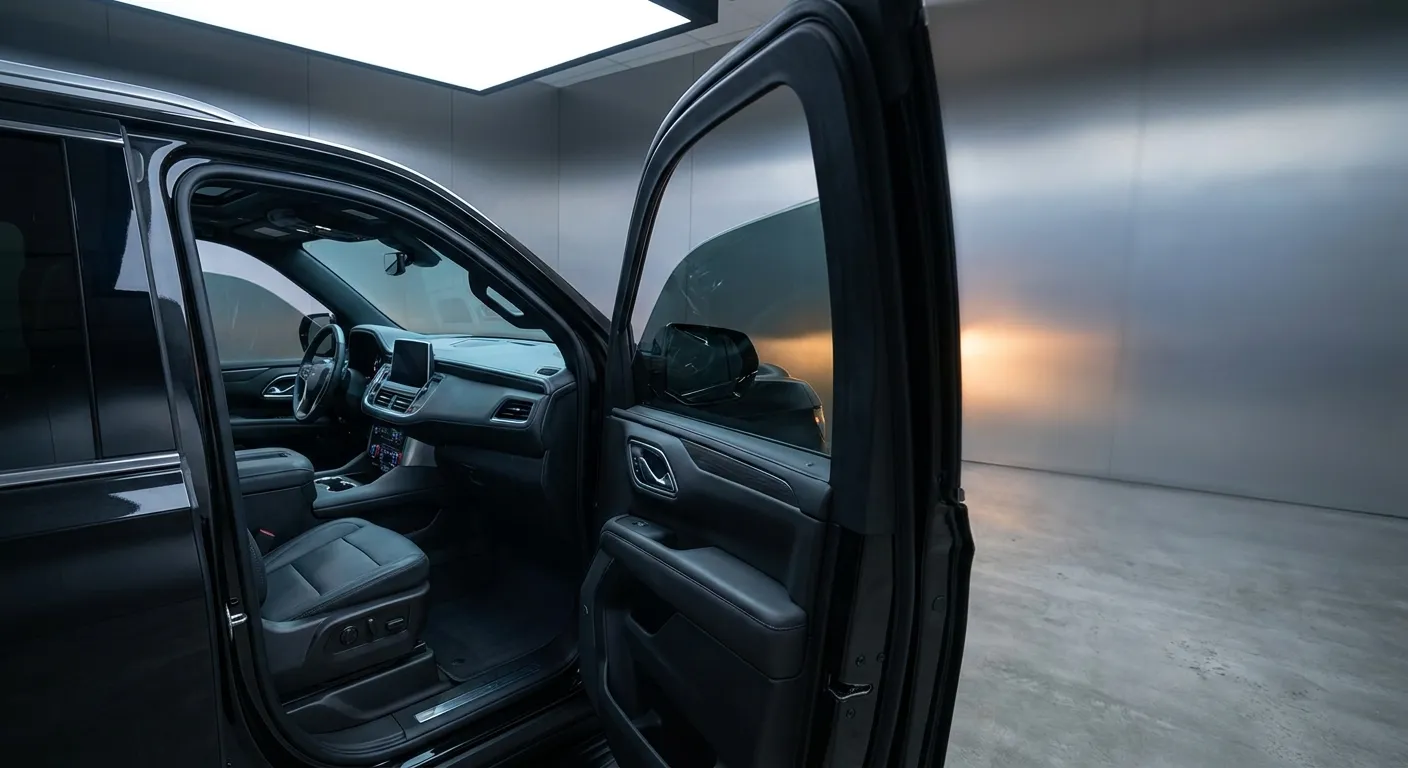
Conclusion: A Smarter Way to Stay Cool and Protected in Ormond Beach
Choosing the right window tint is about more than changing how your vehicle looks. For drivers in Ormond Beach and across Volusia County, it is a practical upgrade that can make every trip more comfortable, more private, and easier on your car over time. With Florida heat, strong sunlight, and constant UV exposure, a quality tint film can help reduce the strain on your air conditioning, cut glare on bright roads, and protect the materials inside your vehicle from fading and wear.
One of the biggest takeaways is that performance matters more than darkness. A darker tint does not always mean better heat rejection or better comfort. Dyed film can provide a basic appearance boost, carbon film offers stronger everyday value, and ceramic tint delivers the best balance of heat control, UV protection, and clear visibility. For many drivers, that makes ceramic film the best long-term choice, especially if the vehicle is parked outside often or used for daily commuting.
It is also important to remember that tint should be chosen with your driving habits in mind. A family SUV, a work truck, a commuter sedan, and a new luxury vehicle may all need something different. The best option is the one that fits your needs, your budget, and your vehicle’s legal requirements. That is why understanding Florida window tint laws and visible light transmission limits is so important before booking a service. A professional installer can help you stay compliant while still getting the comfort and style you want.
Professional installation matters just as much as film type. Clean edges, proper fit, and careful application all affect how your tint looks and how long it lasts. Good aftercare is important too. Letting the film cure properly, avoiding rolled-down windows too soon, and using the right cleaning products can help protect your investment for years.
If you are ready to improve your daily drive, now is a good time to take the next step. Professional tinting can make a real difference during hot Florida afternoons, long commutes, beach trips, and everyday errands. To explore your options, visit Window Tinting, learn more about Ceramic Touch Detailing, or book your appointment today.
For even better long-term vehicle care, consider pairing tint with services like Interior Detailing, Exterior-detailing, Ceramic Coatings, or Monthly-Packages. Together, these services help protect your vehicle from the inside out, so it stays cleaner, cooler, and better maintained in Florida’s demanding climate.
Drivers in Ormond Beach know how hard Florida sun can be on a car. The right window tint can help keep the cabin cooler, block harsh UV rays, cut glare, and protect your interior, but not every film gives the same results. Here are the main takeaways to help you compare your options and choose the best fit for your vehicle.
- Choose tint based on Florida heat, not just price: In a hot climate like Ormond Beach, the main value of tint is heat rejection, UV protection, and comfort, not just a darker look.
- Know the difference between film types: Dyed film is usually the most basic option, carbon film offers better heat control and fade resistance, and ceramic tint gives the strongest performance for heat rejection and clarity.
- Look for real cabin cooling benefits: Quality auto window tint can help reduce interior temperatures, making your car more comfortable after sitting in the sun.
- Protect your interior from UV damage: Window tint helps reduce sun exposure that can fade seats, crack dashboards, and wear down trim over time.
- Check Florida tint laws before you book: Legal VLT limits matter, so it is important to choose a tint package that fits state rules for your vehicle.
- Expect better glare control on daily drives: Professional tint can make daytime driving safer and easier by reducing harsh sunlight and headlight glare.
- Ask about installation time upfront: Most window tint jobs are completed in a short visit, but turnaround can vary based on vehicle size, film type, and number of windows.
- Follow aftercare instructions carefully: Proper curing time helps the film bond well, so avoid rolling windows down too soon after installation.
- Match the tint to your driving needs: If you want the best balance of comfort, clarity, and long-term value, ceramic window tint is often the top choice for Florida drivers.
- Work with a local installer who knows the area: A shop that serves Ormond Beach and Volusia County can recommend the right film for local heat, sun exposure, and driving conditions.
These points can help you understand what matters most before scheduling window tinting in Ormond Beach. Next, we will break down the options, process, and benefits so you can choose the right service for your car.
Upgrade Your Drive Before the Next Florida Heat Wave
You do not have to settle for a hot, glaring cabin every time you park outside. Ceramic Touch Detailing can help you choose the right legal tint film for your vehicle, driving habits, and budget.
- Reduce solar heat and harsh road glare
- Protect your interior from UV-related fading
- Add privacy with legal VLT guidance
- Choose carbon or ceramic film for lasting performance
Appointments fill quickly during sunny Florida months, so do not wait for the next uncomfortable commute. Book your window tinting appointment today.
How much does ceramic window tint cost in Ormond Beach?
Pricing depends on your vehicle size, the number of windows, the film package you choose, and whether old tint needs removal. Ceramic film costs more than basic options because it offers stronger heat rejection and clearer performance. For an accurate quote, book a consultation or appointment with Ceramic Touch Detailing.
Is ceramic window tint worth the extra cost for Florida heat?
Yes for many drivers in Ormond Beach. Ceramic tint is a strong choice if your car sits outside, you commute daily, or you want the best balance of heat reduction, UV protection, and visibility. It usually makes the cabin more comfortable in Florida sun, especially on parked cars. If you want help deciding whether it fits your needs, schedule with Ceramic Touch Detailing.
What should I expect during a professional tint installation?
A professional install starts with cleaning and preparing the glass, then the film is carefully measured, cut, and applied to the inside of the windows. The installer removes moisture and air to help the film bond smoothly. A clean installation matters because it affects both appearance and durability. Ceramic Touch Detailing can walk you through the process before you book.
What VLT tint is legal in Florida for my car or truck?
Florida tint laws vary by window and vehicle type, so the legal VLT depends on whether you drive a car, truck, SUV, or van. In simple terms, VLT is how much visible light passes through the glass after tint is installed. A local installer can help you choose a legal option that still gives you the look and comfort you want. Ceramic Touch Detailing can guide you through the current legal limits before installation.
How long should I wait before rolling my windows down after tinting?
You should wait until the film has had time to cure and your installer says it is safe. Fresh tint needs time to bond to the glass, and rolling the windows down too early can damage the film at the edges. Your installer will give you aftercare instructions based on your vehicle and film choice. Ceramic Touch Detailing will explain what to do after your appointment.
